






Table of Contents
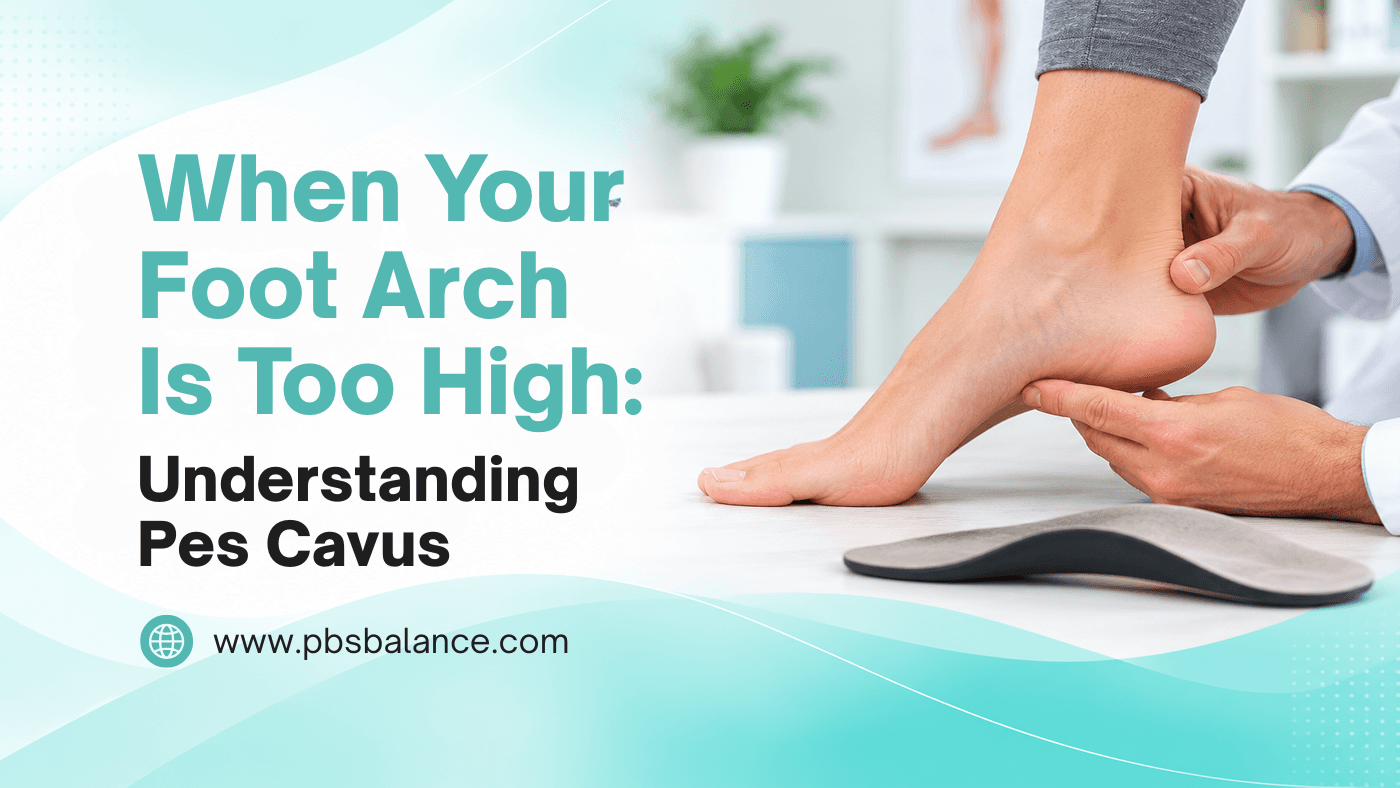
A high-arched foot, medically known as pes cavus, is characterized by an unusually elevated arch of the foot. The condition can vary considerably between individuals and may be present from childhood or develop later in life.
While some people with high arches have no symptoms, others may experience pain, instability, or difficulty with certain activities. Importantly, pes cavus can sometimes be associated with neurological or neuromuscular conditions, including hereditary neuropathies such as Charcot-Marie-Tooth disease. For this reason, identifying the underlying cause is an important part of assessment, particularly when the deformity is progressive or accompanied by weakness, sensory changes, or other neurological signs.
How Can High Arches Affect the Foot?
The foot normally distributes body weight through several areas during standing and movement. With a high-arched foot, the contact pattern and load distribution can change, potentially concentrating pressure around the heel and forefoot.
This may contribute to symptoms such as:
- Pain beneath the forefoot or heel
- Calluses or areas of excessive pressure
- Foot fatigue during prolonged standing or walking
- Ankle instability or recurrent ankle sprains
- Difficulty finding comfortable footwear
- Changes in walking or balance
People with symptomatic cavus feet may also experience limitations in daily activities. However, symptoms vary considerably.
Why Does Assessment Matter?
A high arch is not simply a matter of appearance. Pes cavus is a three-dimensional foot deformity, and its underlying cause can influence both its progression and the appropriate treatment approach.
Assessment may include foot posture, flexibility, areas of pressure, ankle stability, muscle strength, neurological findings, gait, and—in selected cases—imaging. This is particularly important when high arches develop progressively, occur on one side, or are accompanied by muscle weakness, numbness, frequent falls, or recurrent ankle sprains.
Understanding whether the foot is flexible or rigid, and which structures are contributing to the deformity, helps determine the most appropriate management strategy.
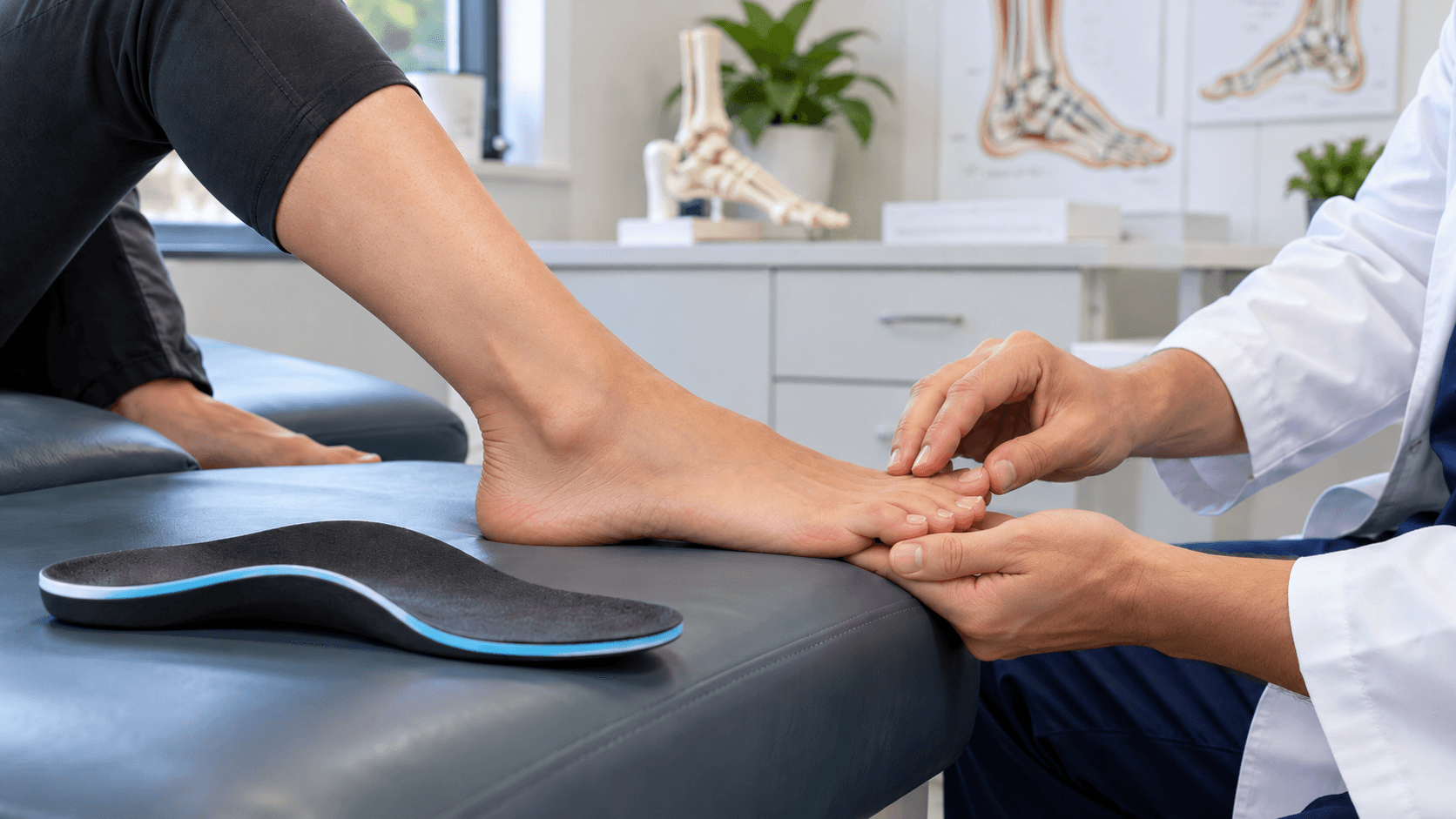
Can Custom Foot Orthoses Help?
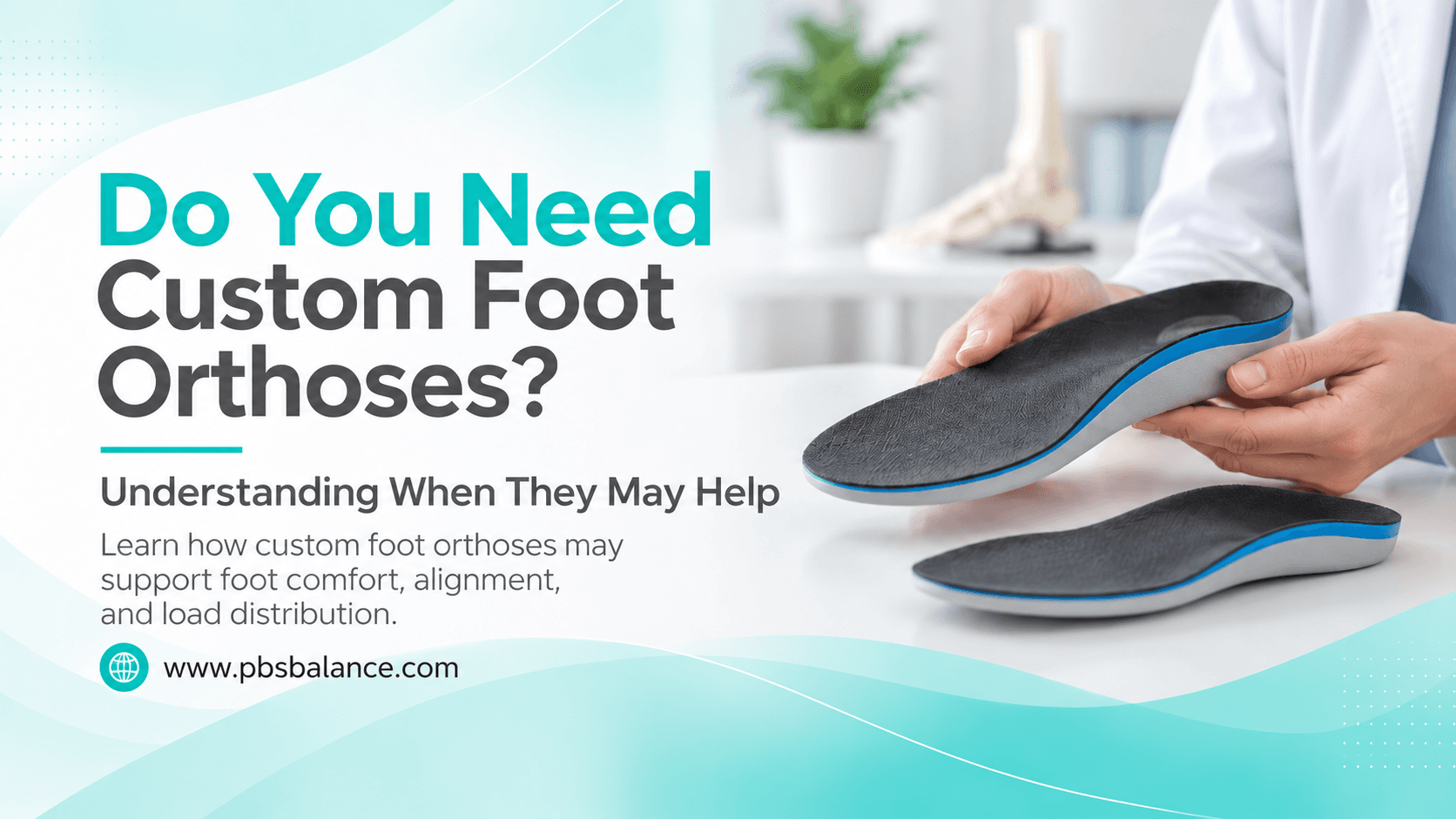
For people with painful or symptomatic cavus feet, custom foot orthoses can be an effective conservative treatment option.
Studies found that using custom foot orthoses experienced greater improvements in foot pain, function, and also found significant reduction in plantar-pressure distribution across the foot.
This is particularly relevant because a high-arched foot may concentrate load over relatively smaller contact areas. Rather than attempting to simply “flatten” the arch, an appropriately designed orthosis can be used to redistribute pressure and provide support according to the individual’s foot structure and symptoms.
The PBS Approach
At PBS Orthotics Clinic, we believe that treating a high-arched foot starts with understanding why the foot is shaped that way and how it functions.
Our orthotists assess foot structure, areas of excessive loading, alignment, stability, movement patterns, and functional needs. When orthotic treatment is appropriate, a custom foot orthosis can be designed to provide targeted support and help redistribute plantar loading according to the individual’s anatomy.
The goal is not simply to change the appearance of the arch. It is to help the foot manage load more effectively, reduce painful pressure points, and support more comfortable movement.
For patients whose cavus foot is associated with a neurological or neuromuscular condition, orthotic management may also form part of a rehabilitation plan. Treatment should be individualized according to the underlying condition and functional needs.
When Should You Seek an Assessment?
If you have high arches accompanied by persistent foot pain, recurrent ankle sprains, difficulty walking, unusual calluses, muscle weakness, numbness, or progressive changes in foot shape, professional assessment is recommended.
If you continue to experience persistent foot pain despite trying all natural treatment methods, consult a specialist promptly. At PBS, our team of foot care specialists provides services including custom orthotic insoles for plantar fasciitis and corrective devices for foot alignment. These solutions are personalized to treat the root cause and deliver the best possible outcomes.
Facebook: PBSofficial.TH
Line Official: @pbs.official
Source: