








Ankle-Foot Orthoses for Movement Problems Caused by Muscle Impairments
Walking requires more than proper foot structure and alignment. It depends on the coordinated function of the muscles, joints, nervous system, and movement control. When muscle function around the legs and ankles is impaired—whether due to muscle weakness, increased muscle tone or spasticity, or reduced motor control—a person’s walking pattern may change. This may result in difficulties such as toe dragging, excessive knee lifting, toe walking, stiffness in the legs, or knee instability during weight-bearing. An AFO (Ankle-Foot Orthosis) is an orthotic device designed to support and control the foot and ankle according to each individual’s specific movement pattern and functional needs.

An AFO (Ankle-Foot Orthosis)is an orthotic device designed to support and control the foot and ankle according to each individual’s specific movement pattern and functional needs.
Changes in Muscle Function Can Affect Walking Patterns

Muscle Weakness
(Muscle Weakness)
When the muscles responsible for lifting or controlling the foot become weak, the patient may be unable to maintain proper foot position, particularly during the swing phase of walking.
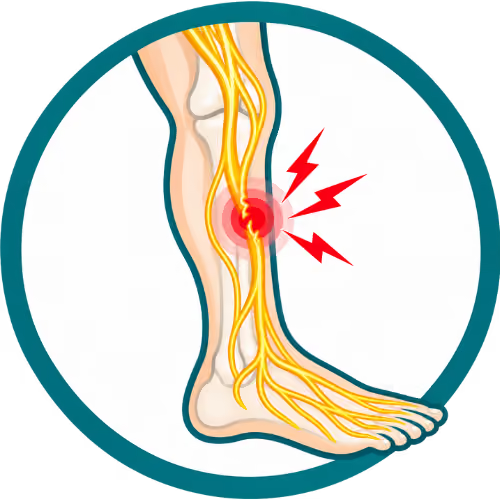


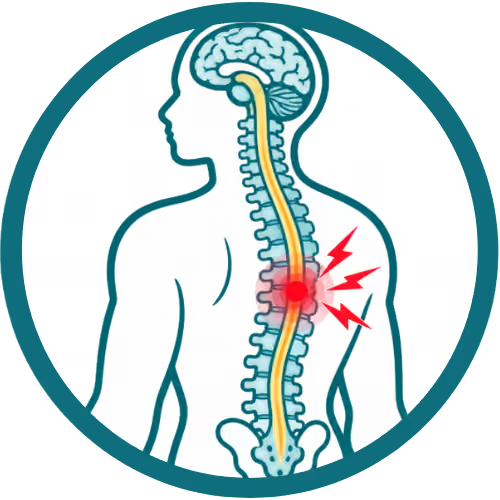
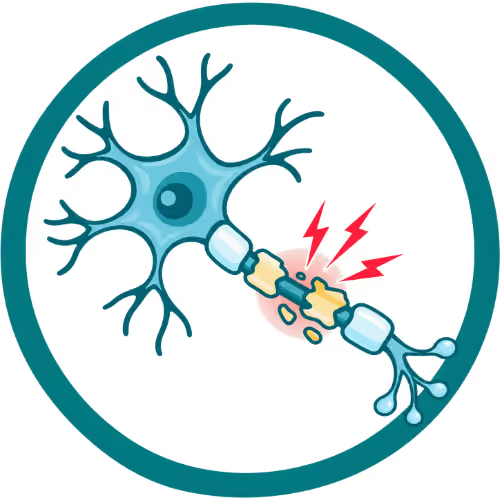

Common characteristics may include:
- Foot drop or toe dragging
- High-stepping gait (steppage gait)
- Difficulty controlling the ankle during weight-bearing
- Reduced walking stability
These problems may occur in association with a variety of neurological, neuromuscular, or injury-related conditions, such as Stroke, Spinal Cord Injury, Multiple Sclerosis, Charcot-Marie-Tooth Disease, Peripheral Nerve Injury, and other conditions affecting the nervous and muscular systems.

Muscle Spasticity
(Spasticity)
In some patients, the problem may be the opposite of muscle weakness. The muscles may have abnormally increased muscle tone and resist normal movement. This condition is known as spasticity.
When spasticity affects the lower leg and ankle, it may pull the foot into an abnormal position, such as an equinus pattern, contributing to toe walking and altering foot placement and weight-bearing during walking.
Spasticity may occur in individuals with neurological conditions such as:
- Stroke
- Cerebral Palsy
- Multiple Sclerosis
- Spinal Cord Injury
- Certain other neurological disorders
For individuals with spasticity, an AFO is therefore not designed simply to lift the foot. Depending on the individual’s needs, it may also be used to help control foot and ankle position and regulate ankle movement in accordance with the goals of rehabilitation and functional mobility.
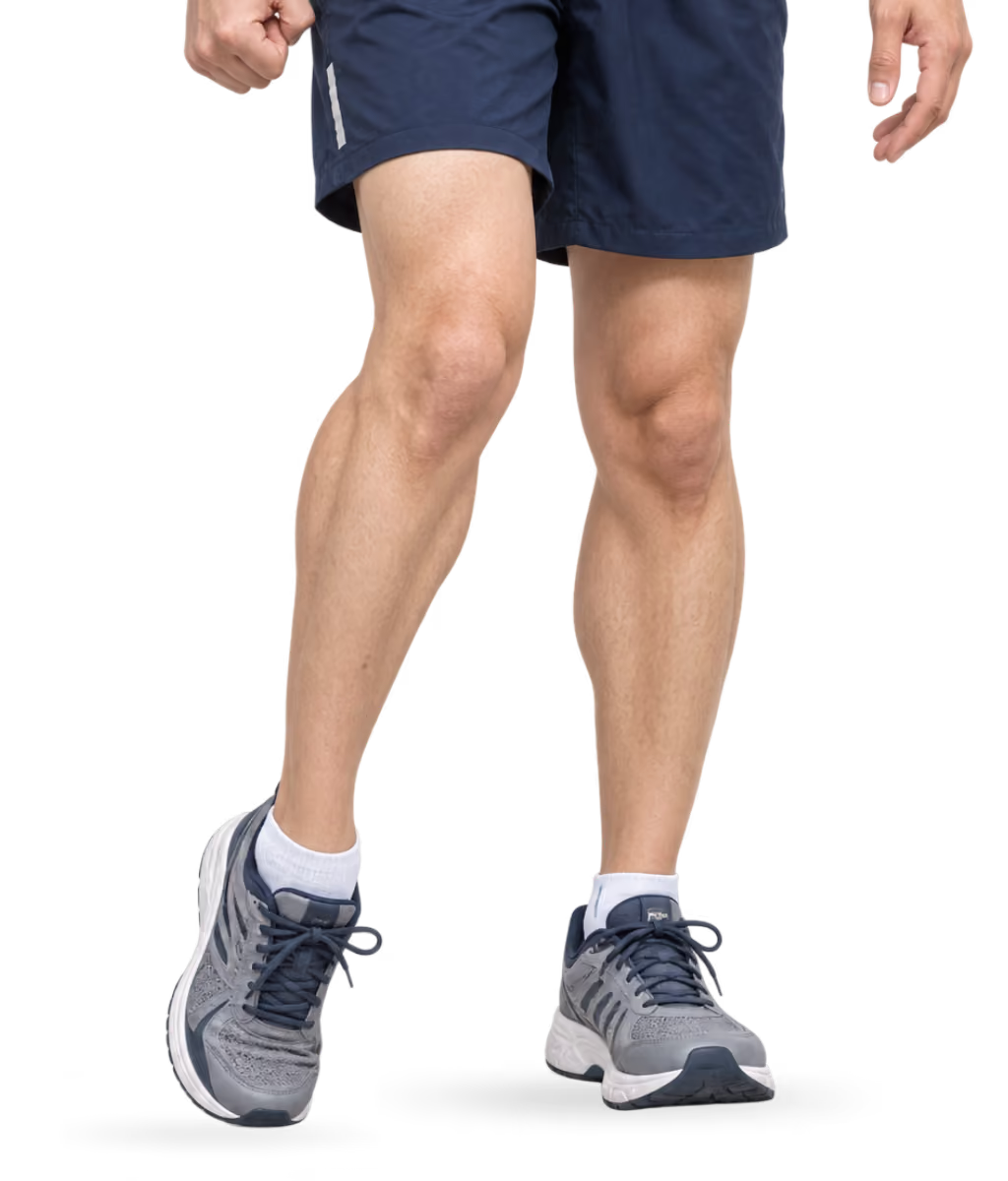



From Muscle Impairment to Changes in Gait
Patients with the same medical condition may present with very different walking patterns. This is because the degree of muscle weakness, spasticity, range of motion, and motor control can vary considerably among individuals.
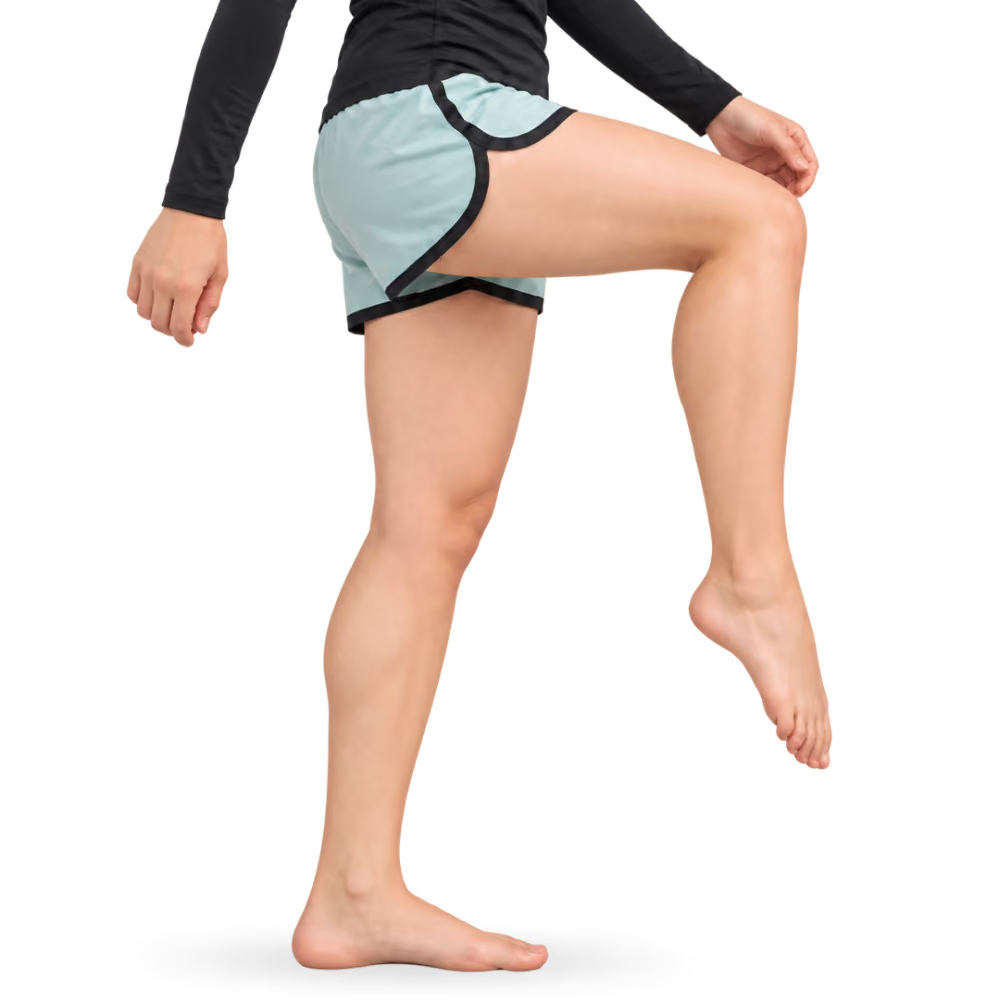
Weakness of the muscles that lift the foot
- Foot drop or toe dragging
- The patient may compensate by lifting the knee higher to clear the foot from the ground
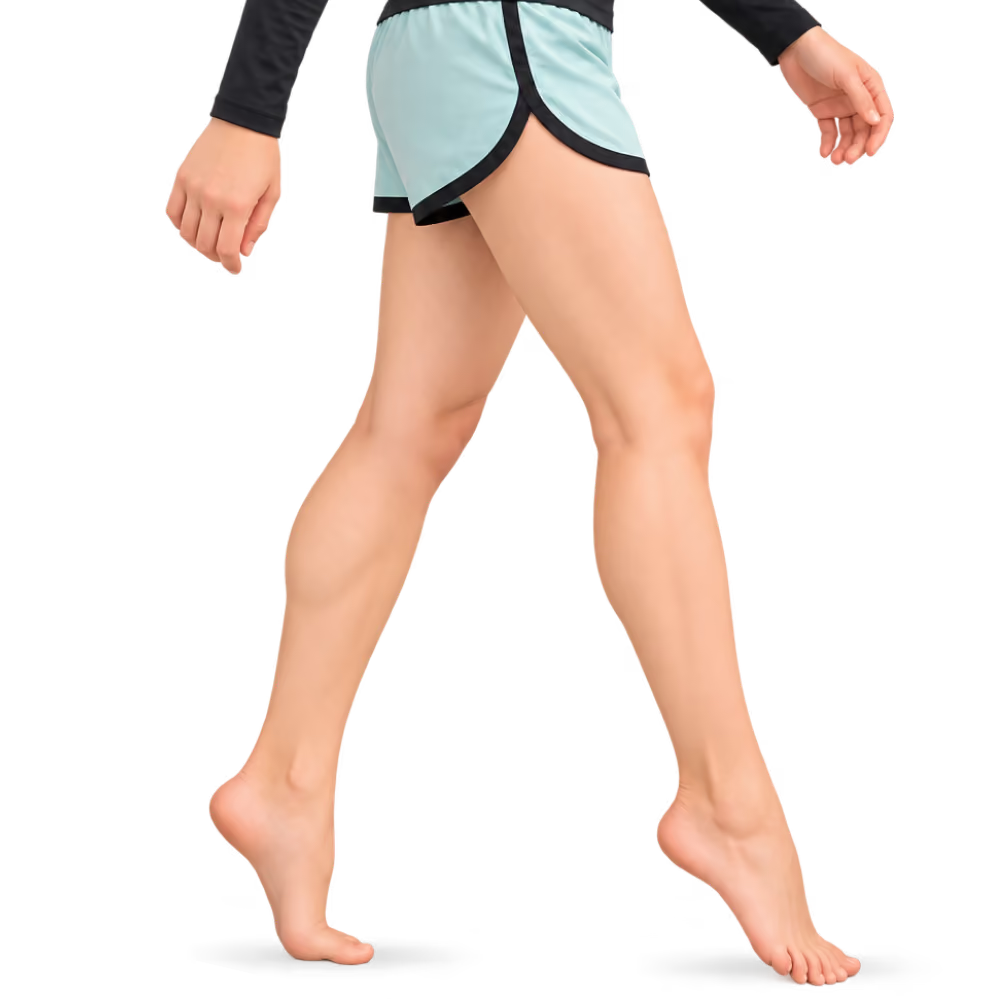
Spasticity or reduced ankle control
- The foot may be held in a downward-pointing position or placed improperly
- This may result in toe walking or an equinus gait pattern

More severe weakness in the leg muscles
- Poor control of the knee during weight-bearing
- This may result in knee buckling and an increased need for external support.
For this reason, orthotic assessment should consider the individual’s gait pattern, along with muscle strength, range of motion, movement control, and joint stability. This helps determine the type of orthotic support that is most appropriate for the individual’s specific movement and functional needs.



Choosing the Appropriate AFO Based on Patient Needs
Different types of AFOs provide different levels of support, control, and freedom of movement. Therefore, there is no single AFO that is considered the “best” option for everyone.
The most appropriate design depends on the individual’s walking pattern, physical condition, functional goals, and the specific movement problems that need to be addressed.
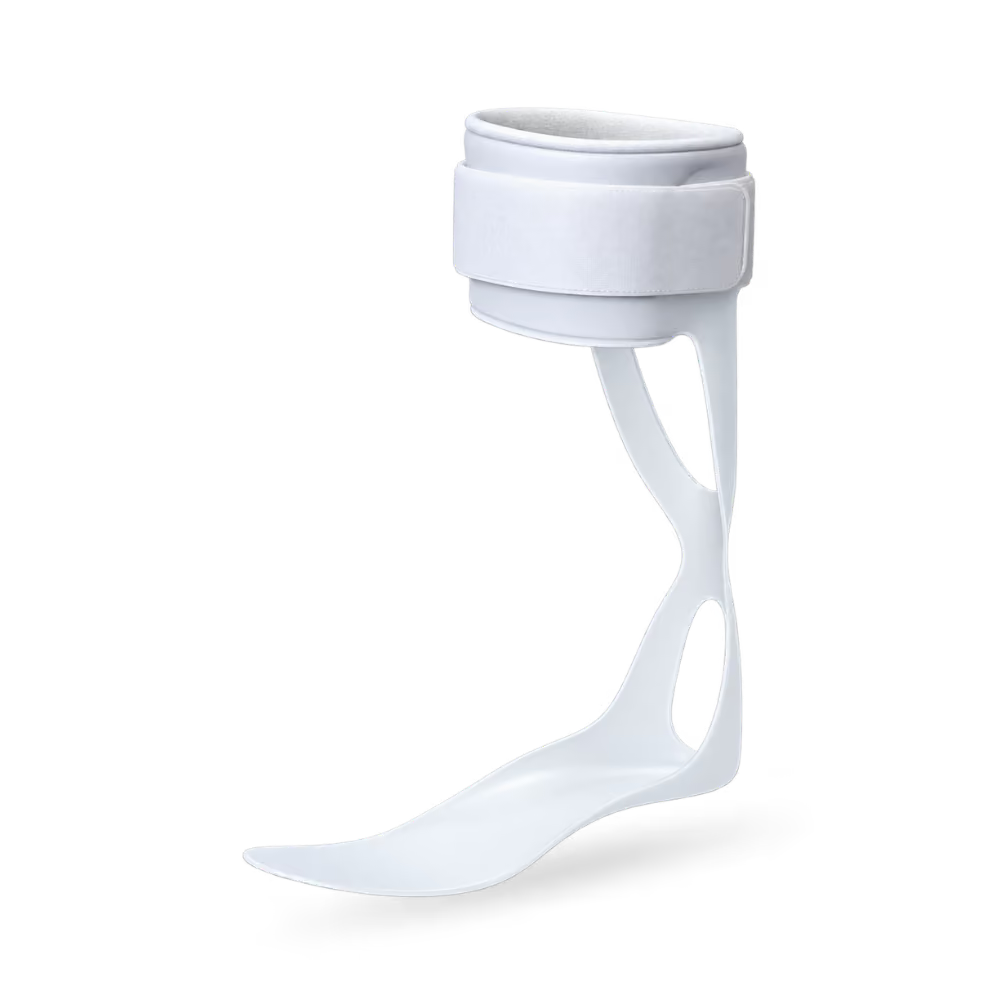
PLS AFO
Supporting the Foot in Individuals with Muscle Weakness
A Posterior Leaf Spring (PLS) AFO is designed to be more flexible than a rigid AFO. It may help support the foot during the swing phase of walking and assist with toe clearance.
It may be considered for individuals with weakness of the muscles responsible for lifting the foot, particularly those experiencing foot drop or toe dragging, while still having sufficient ankle range of motion and not requiring a high level of ankle control.
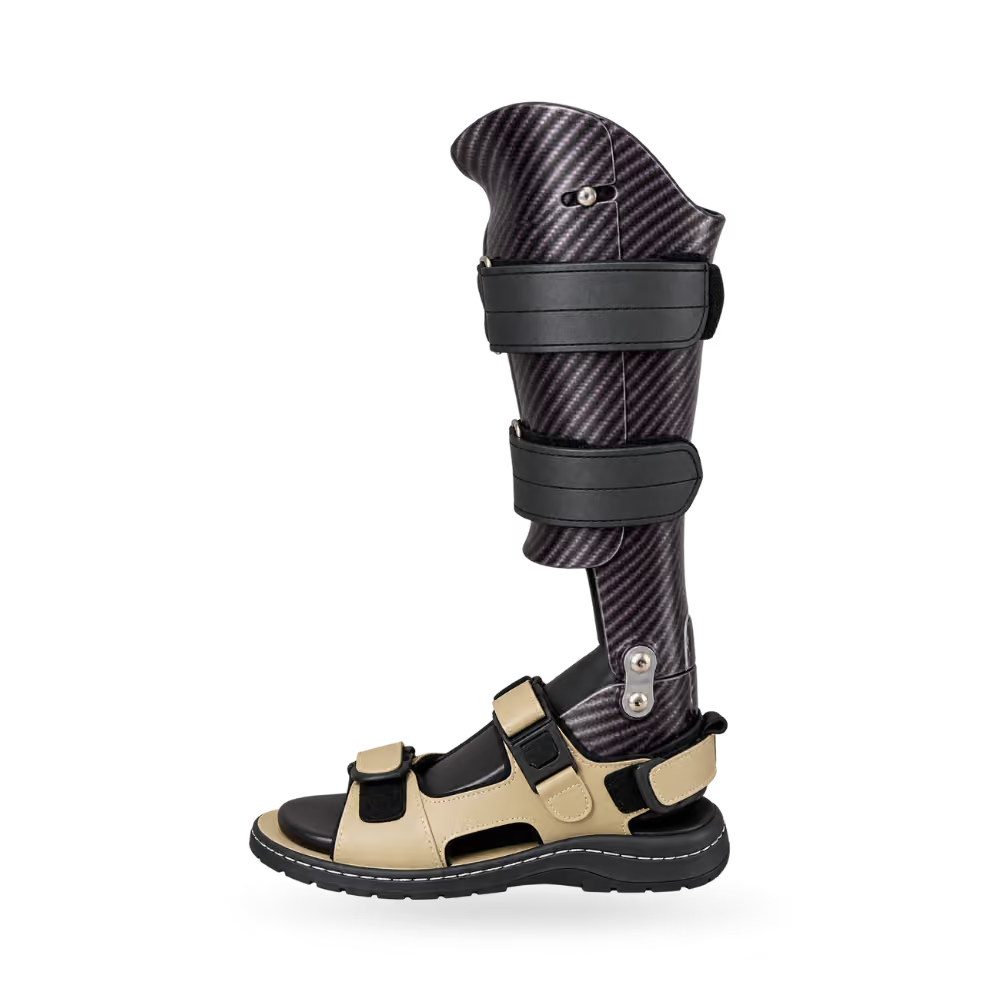
Jointed / Articulated AFO
Ankle Control While Allowing Selective Movement
A Jointed or Articulated AFO incorporates an ankle joint that can be designed to control or limit movement in specific directions while allowing movement where appropriate.
This type of AFO may be considered for individuals who require ankle control but would still benefit from maintaining selected ankle movement during walking. It may be appropriate for certain individuals with muscular or neurological impairments who have adequate ankle range of motion and functional mobility.
The joint configuration can be adjusted according to factors such as:
- Muscle strength
- Level of spasticity
- Joint range of motion
- Movement control
- Gait pattern
- Functional requirements
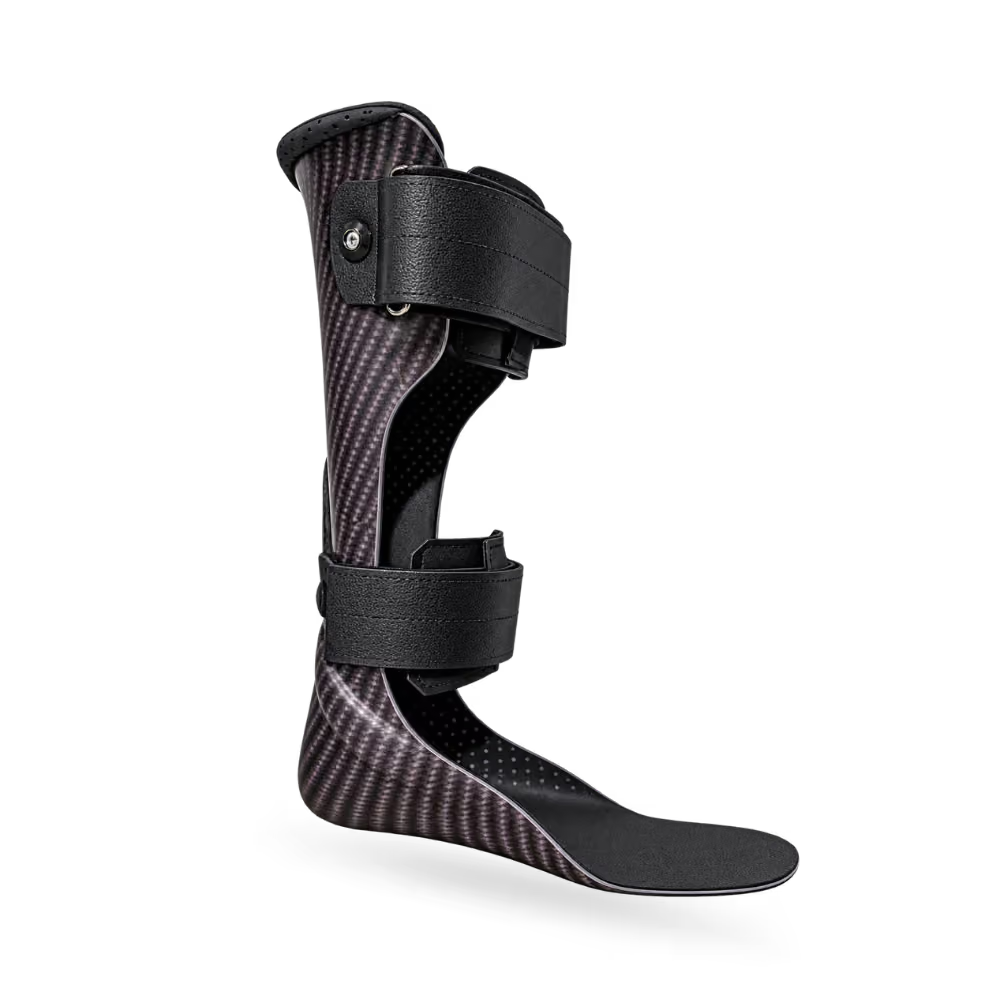
Rigid AFO
Greater Control and Stability
A Rigid AFO has a more structured design and limits ankle movement to a greater extent.
It may be considered for individuals who require increased control and stability, such as those with:
- Significant muscle weakness
- Ankle instability
- Spasticity
- Foot or ankle alignment problems requiring more substantial control
However, greater control does not necessarily mean that an AFO is more suitable. Excessively restricting movement may affect walking mechanics and functional mobility.
The goal is therefore not to choose the most rigid device, but rather to provide the appropriate level of support and control for each individual’s needs.
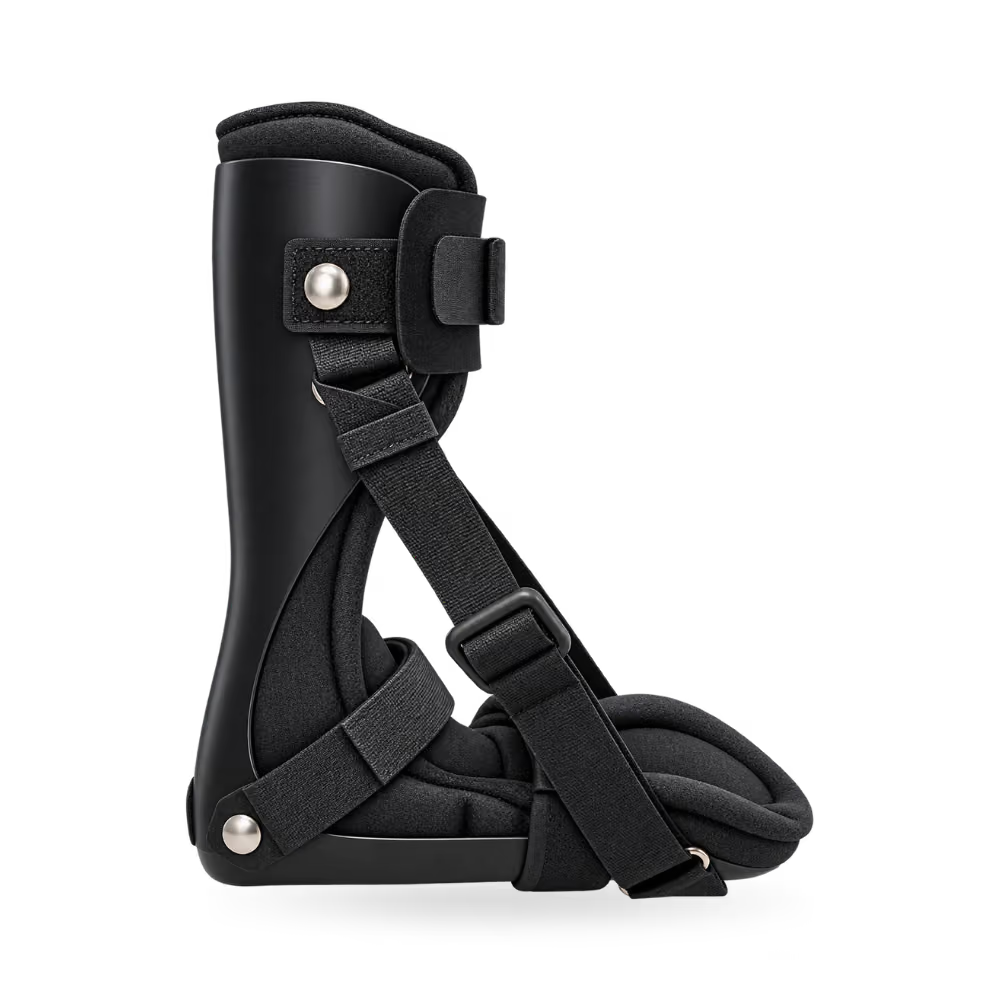
Supporting Ankle Position During Recovery with a Night Splint
Rehabilitation does not take place only while a person is walking.
In particular, individuals with limited mobility or prolonged periods of bed rest may develop reduced joint mobility or increased tightness in the muscles and soft tissues around the ankle.
A night splint may be used during periods of rest or sleep in selected individuals to help maintain an appropriate ankle position and preserve joint range of motion in line with the goals of rehabilitation.
Depending on the individual’s needs, a night splint may be used alongside:
- Physical therapy
- Therapeutic exercise
- Daytime AFO use
- Other rehabilitation interventions
The most appropriate treatment plan should be determined based on the individual’s physical condition and functional goals.

The Right Orthotic Device Begins with the Right Assessment
At PBS, we believe that choosing an orthotic device should not begin with the question: “Which type of AFO is the best?” Instead, we begin by asking: “What support does this individual’s body and movement pattern actually need?”
Our orthotists assess a range of factors, including:

Muscle strength

Level of spasticity

Range of motion

Foot and ankle alignment

Gait pattern

Knee and ankle stability

Daily activities and functional needs
Based on this assessment, we determine which type of orthotic device may be appropriate and how the device should be designed and adjusted to meet the individual’s specific requirements.
Each orthotic device is individually designed to suit the person’s anatomy, movement abilities, functional needs, and rehabilitation goals.
The aim is to provide appropriate support that may help individuals move with greater confidence, stability, and safety, allowing them to participate more comfortably in daily activities and achieve their individual functional potential.
Because we believe that the right orthotic device is not only about helping a person walk more effectively—it is also about supporting greater confidence, safety, independence, and quality of life over the long term.
AFO Made Convenient at Every Step, with Ongoing Support After Delivery
An AFO is a custom orthotic device designed and fabricated for each individual. Once it is used in daily life, follow-up checks or adjustments may be needed to ensure that the device remains appropriate for each person’s needs and activities.
At PBS, we focus on ongoing support throughout your AFO journey, not just the fabrication and delivery of the device.
Why Choose PBS for Your AFO?

On-Time Appointments
Our well-managed appointment system helps you plan your visit with minimal waiting time.

Complete Process in One Appointment
From assessment and orthotic planning to collecting the measurements and information needed for AFO fabrication.

Convenient Post-Use Adjustments
Easily schedule a visit to have your AFO checked and adjusted based on your actual use.

Easy Access to Support
Ask questions about your AFO via LINE or phone, with our team available every day.

Ongoing Follow-Up
We follow up to assess fit and usage and make adjustments when appropriate.
Because the right AFO doesn’t end on the day you receive it. It also means having convenient access to ongoing support and adjustments throughout its use.

