






Table of Contents
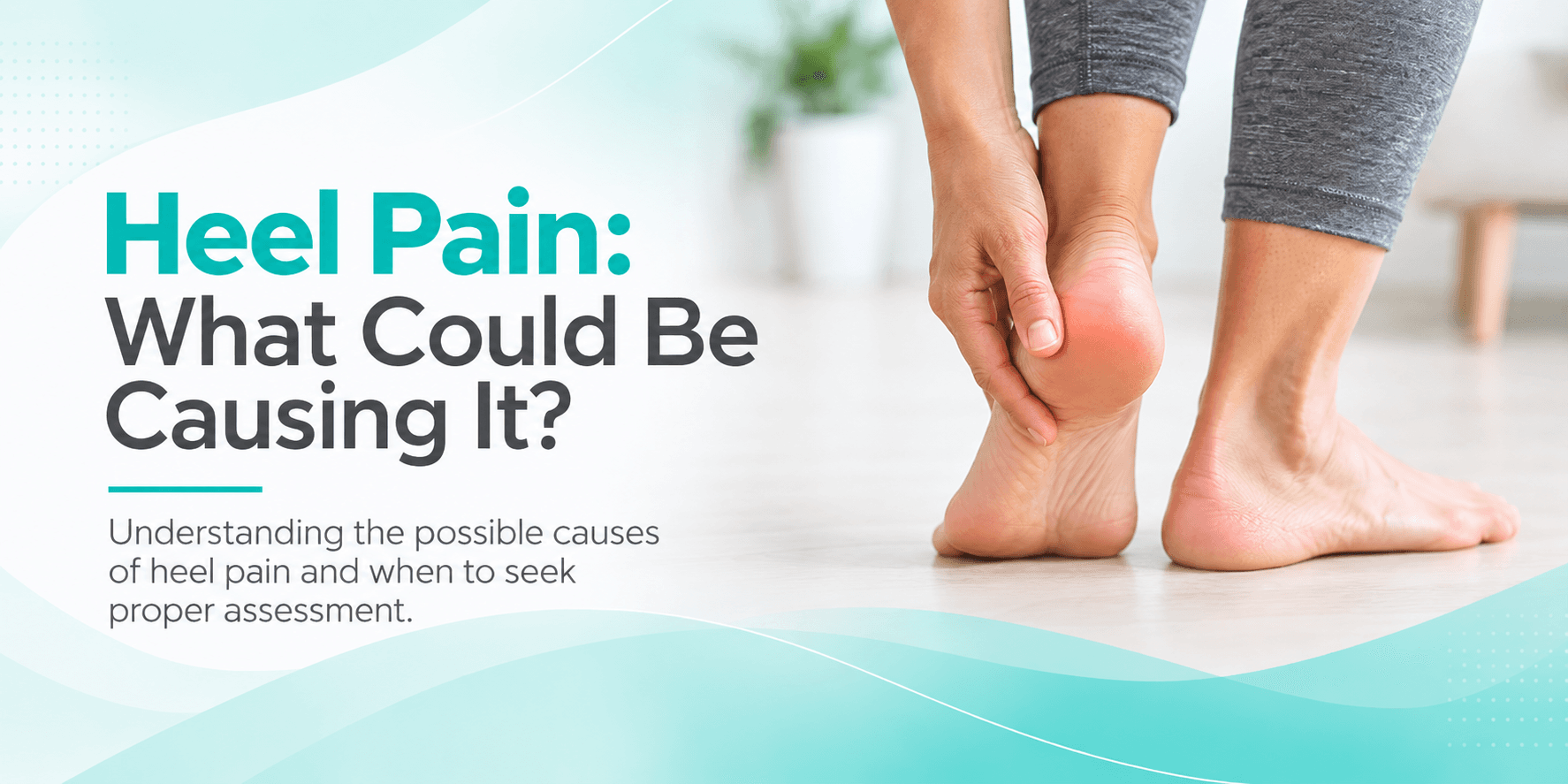
Plantar heel pain—commonly associated with plantar fasciitis—can affect walking, standing, exercise, and everyday activities. Because the causes and contributing factors vary from person to person, treatment should be tailored to the individual’s symptoms, foot structure, and functional needs.
Among conservative treatment options, foot orthoses may be considered when altered foot mechanics or plantar loading are contributing to symptoms.
Why Consider a Custom Foot Orthosis?
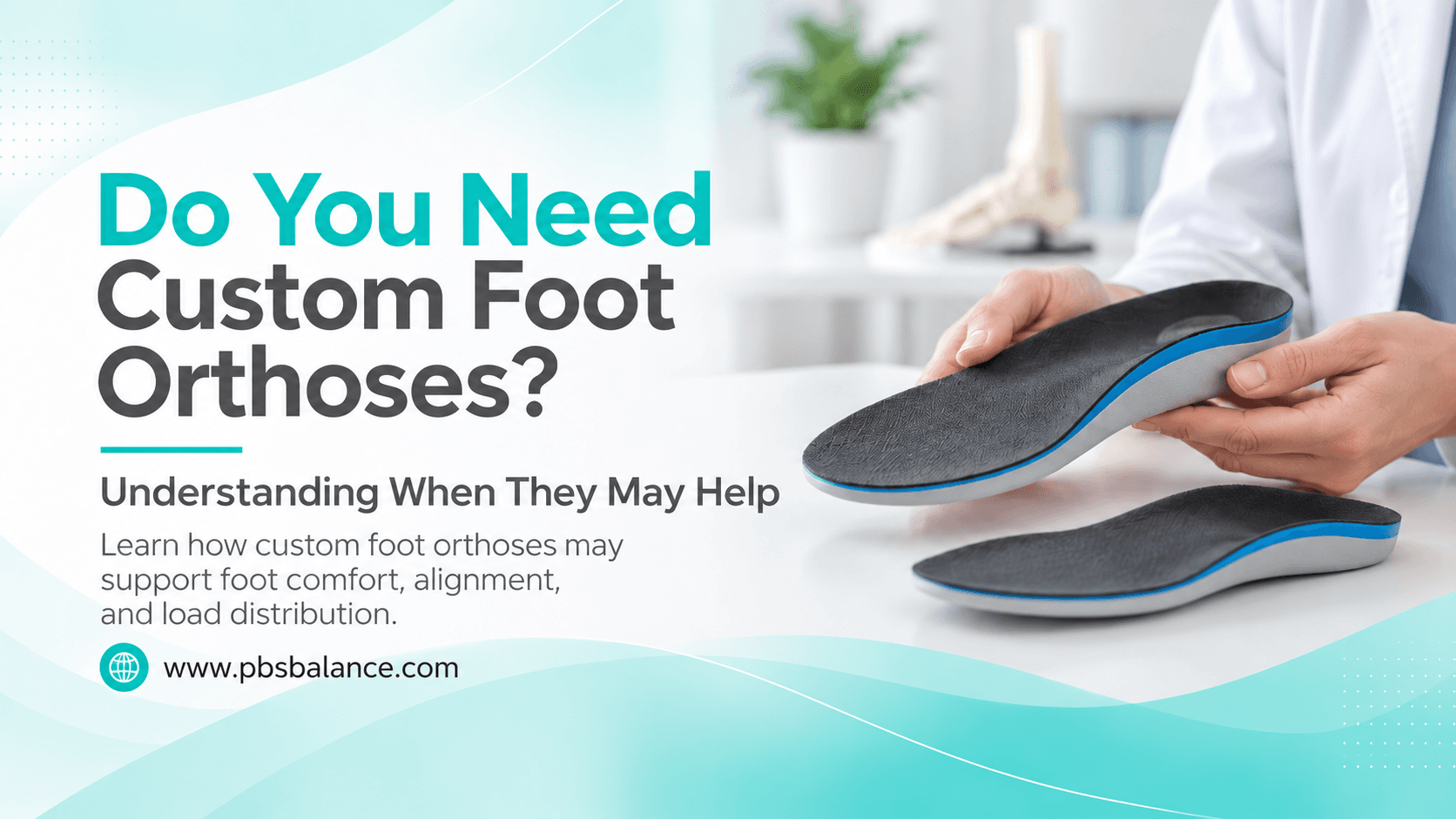
A standard insole mainly provides cushioning or general comfort. A custom-made foot orthosis, in contrast, can be designed around the individual’s foot shape, pressure distribution, footwear, and functional requirements.
This distinction can be useful when plantar heel pain occurs together with other mechanical factors, such as symptomatic flatfoot, excessive pronation, a high-arched foot, or uneven loading between the two feet.
How May Orthoses Help?
The plantar fascia helps support the medial longitudinal arch and contributes to the foot’s ability to manage forces during weight-bearing. When the foot is repeatedly exposed to excessive or poorly distributed loading, symptoms may develop or persist.
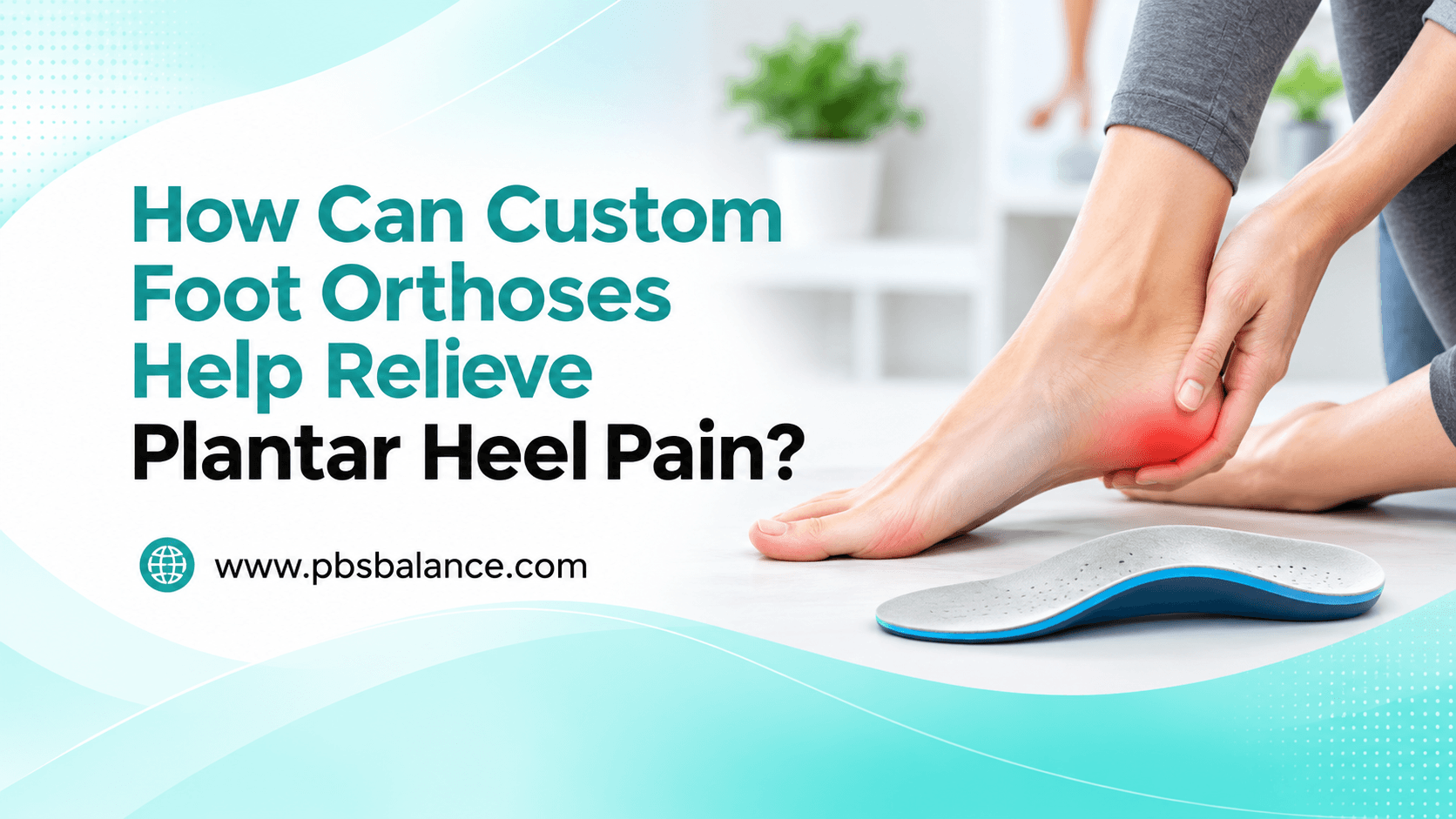
An appropriately designed orthosis can provide support beneath the foot and modify plantar pressure and load distribution during standing and walking. This may help reduce mechanical stress on painful areas and improve comfort during daily activities.
What If You Also Have Flat Feet?
Plantar heel pain does not always occur as an isolated problem. Some people also have flat feet or other changes in foot posture that influence how load is transferred through the foot.
In these cases, a custom-made orthosis may be designed to provide support according to the person’s specific foot structure and loading pattern which help the foot manage load more effectively while reducing symptoms.
This approach is particularly relevant when assessment identifies a clear mechanical contribution to the patient’s symptoms.

The PBS Approach
At PBS Orthotics Clinic, we don’t look at plantar heel pain as simply a painful spot beneath the heel.
We assess the whole foot and its relationship with movement—including foot posture, weight distribution, alignment, plantar loading, footwear, and functional activities.
If an orthosis is appropriate, our orthotists can design a personalized foot orthosis according to the individual’s anatomy and clinical needs. The design may incorporate appropriate support and cushioning to help redistribute load and improve comfort during standing, walking, or exercise.
The goal is not simply to make the foot softer or more supported. It is to find the right level and location of support for the individual foot.
When Should You Consider an Assessment?
If heel or plantar foot pain persists, repeatedly returns, or begins to interfere with walking, exercise, or daily activities, a professional assessment can help identify the contributing factors.
If you continue to experience persistent foot pain despite trying all natural treatment methods, consult a specialist promptly. At PBS, our team of foot care specialists provides services including custom orthotic insoles for plantar fasciitis and corrective devices for foot alignment. These solutions are personalized to treat the root cause and deliver the best possible outcomes.
Facebook: PBSofficial.TH
Line Official: @pbs.official
Source: