






Table of Contents
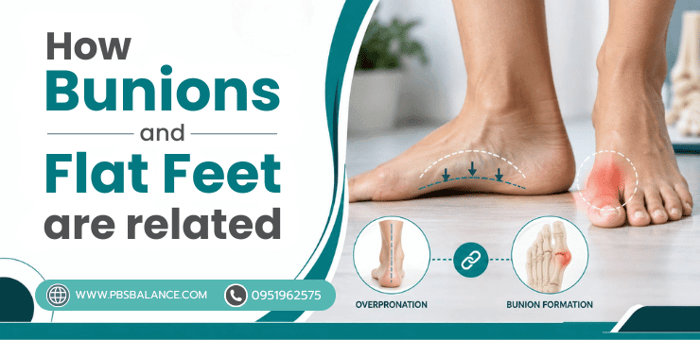
Flatfoot (pes planus) is a common foot alignment condition in which the arch of the foot is reduced or absent, allowing more of the sole to contact the ground. While some individuals experience no symptoms, others may develop pain, fatigue, ankle instability, or recurrent ankle sprains that interfere with walking, exercise, and daily activities. Over time, altered foot mechanics can place additional stress on the knees, hips, and lower back, potentially affecting overall mobility and quality of life. Early assessment is therefore essential to identify the underlying cause and determine the most appropriate treatment strategy
Is Surgery Always Necessary?
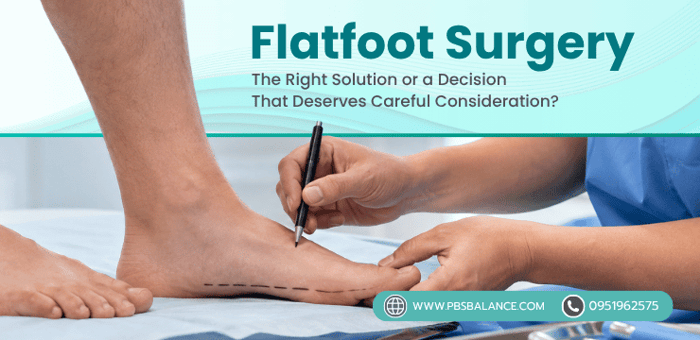
Surgery can be an effective option for patients with severe or progressive flatfoot deformity, particularly when conservative treatment has failed to relieve symptoms. Depending on the condition, procedures may involve realigning bones, reconstructing tendons and ligaments, or stabilizing joints to restore foot function.
However, surgery should be considered carefully. As with any surgical procedure, it carries potential risks, including infection, wound complications, nerve injury, persistent pain, or the possibility of additional surgery. Recovery often requires several months of rehabilitation before patients can comfortably return to work, sports, or everyday activities. For this reason, surgery is typically reserved for carefully selected patients following a comprehensive clinical evaluation.
A Conservative Solution: Personalized PBS Orthotic Insoles
For many individuals with symptomatic flatfoot, surgery is not the first step. At PBS Orthotics Clinic, we provide custom-madel foot orthoses designed specifically for each patient’s foot structure, gait pattern, and biomechanical needs.
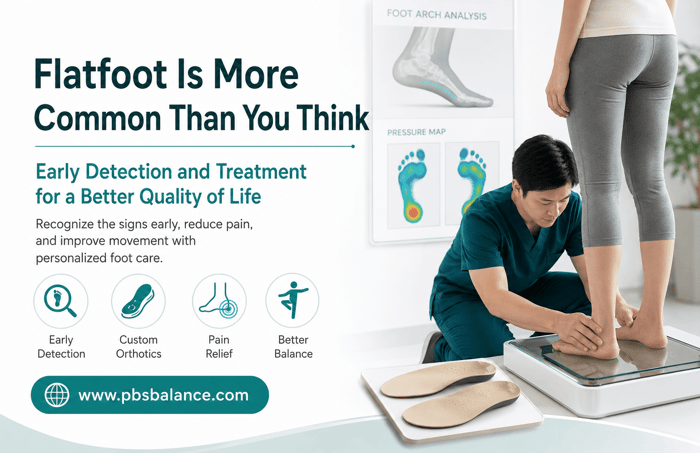
Following a detailed biomechanical assessment, our certified orthotists design personalized orthoses to help optimize foot alignment, improve stability, and support more efficient movement during walking. Research suggests that custom foot orthoses can influence lower-limb biomechanics by modifying foot and ankle motion, redistributing plantar pressure, and improving load transfer throughout the lower extremity. These biomechanical changes may help reduce excessive stress on the foot and contribute to improvements in comfort and functional mobility.
Designed to fit comfortably inside everyday footwear, PBS orthotics allow patients to continue their daily activities without the recovery period associated with surgery. Depending on the individual’s condition, they may also be combined with exercise therapy or rehabilitation to maximize treatment outcomes.
Choosing the Right Treatment Begins with the Right Assessment
Every flatfoot is different, and the most appropriate treatment depends on the severity of the deformity, symptoms, lifestyle, and personal goals. While some patients may ultimately benefit from surgical correction, many can achieve meaningful improvements through personalized conservative care.
At PBS, we believe that effective treatment begins with understanding the cause—not simply treating the symptoms. Through comprehensive assessment and individualized treatment planning, we help each patient find the solution that best supports long-term mobility, comfort, and quality of life.
If you continue to experience persistent foot pain despite trying all natural treatment methods, consult a specialist promptly. At PBS, our team of foot care specialists provides services including custom orthotic insoles for plantar fasciitis and corrective devices for foot alignment. These solutions are personalized to treat the root cause and deliver the best possible outcomes.
Facebook: PBSofficial.TH
Line Official: @pbs.official
Source:
Interested in insoles for flat feet or seeking professional advice on foot deformities, foot alignment, or office syndrome? Contact our experienced foot care specialists at: