







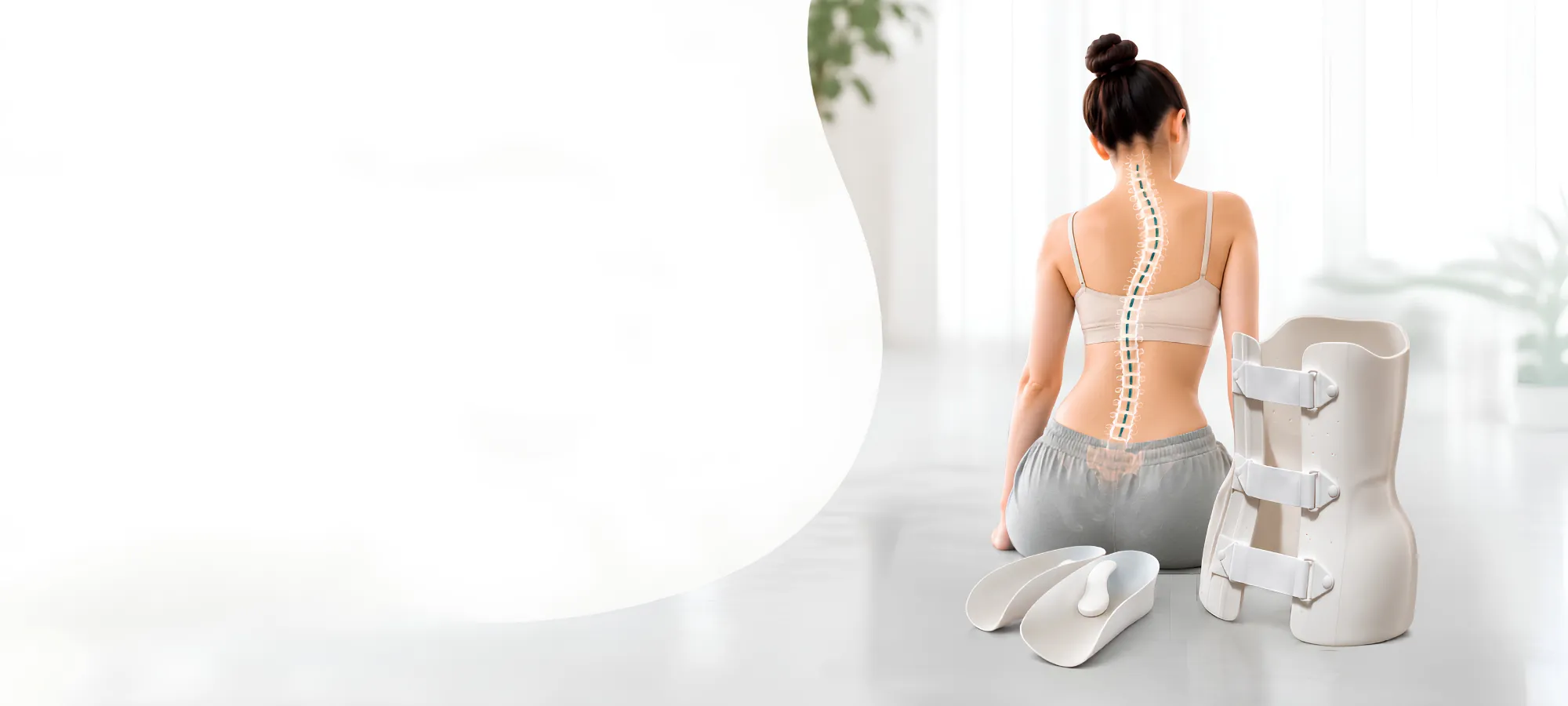
Comprehensive
Scoliosis



Scoliosis and the Role of Custom Orthotic Insoles
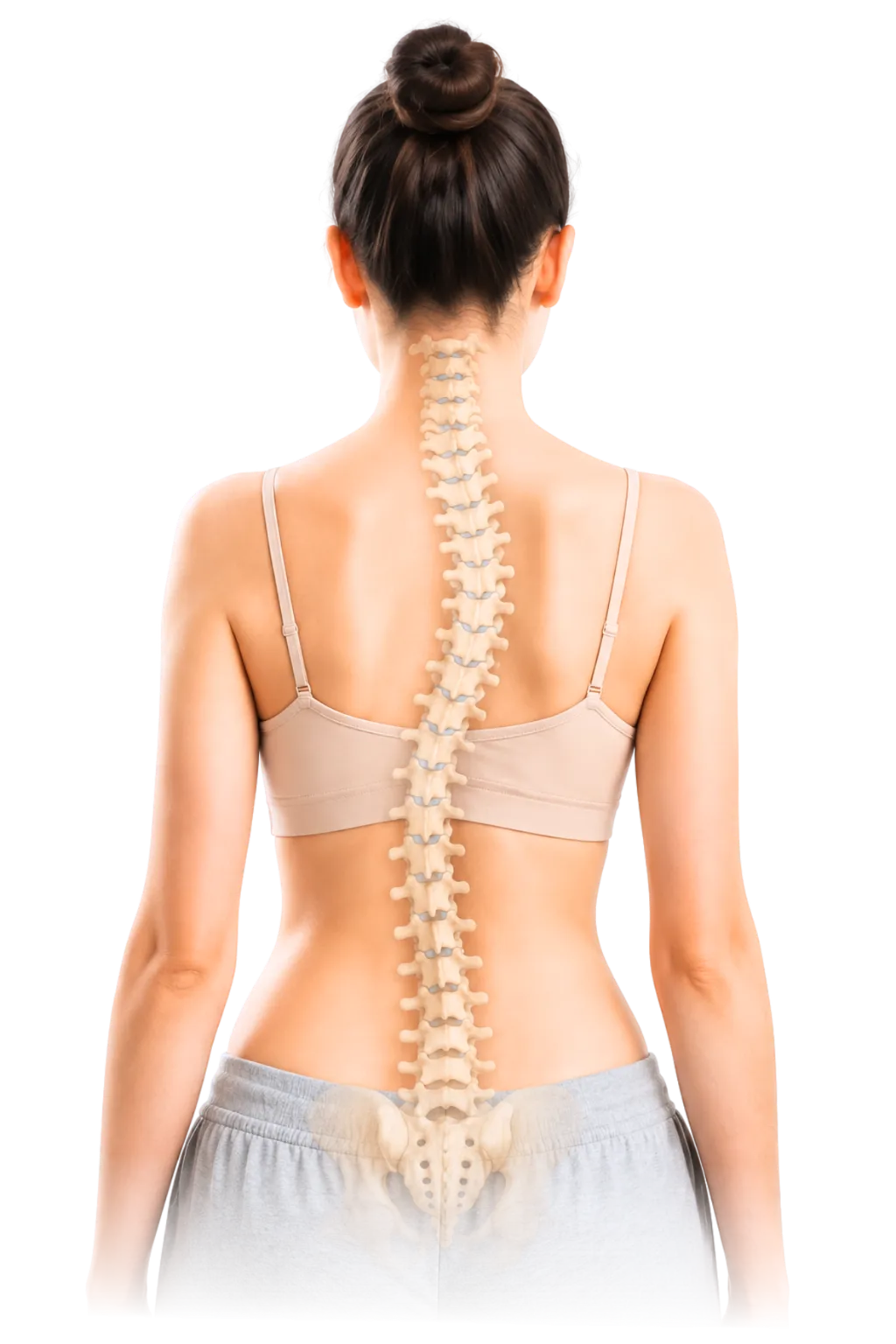
Many people assume that scoliosis is a condition that only affects the spine. In reality, the human body functions as a connected kinetic chain, from the feet and ankles to the knees, pelvis, and spine. Abnormal foot mechanics, particularly flat feet, can influence posture, walking patterns, and overall body alignment.
1
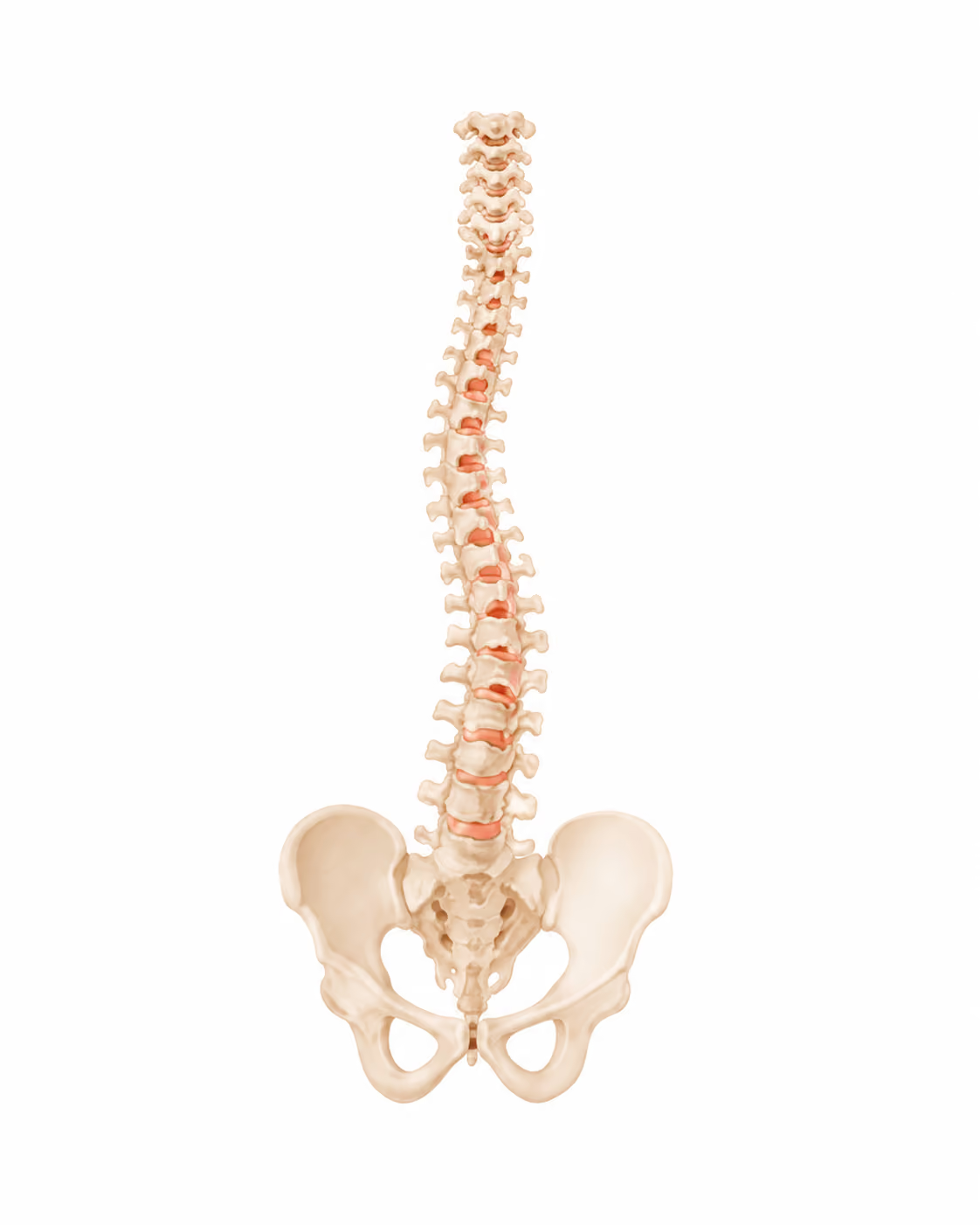
Structural Scoliosis
Structural scoliosis involves a permanent structural change in the spine. It is most commonly diagnosed during childhood or adolescence and may result from:
- Idiopathic scoliosis (unknown cause)
- Congenital spinal deformities
- Neuromuscular disorders
Treatment depends on the severity of the spinal curve and may include observation, spinal bracing, or surgery.

As the spinal deformity progresses, patients may also develop pelvic asymmetry, muscle imbalance, and apparent or true leg length discrepancy, which can further affect posture and lower-limb alignment.
2
Functional Scoliosis
Functional scoliosis occurs when the spine curves as a result of postural or biomechanical imbalance rather than a permanent spinal deformity.
Common contributing factors include :
- Leg length discrepancy
- Flat feet or other foot deformities
- Uneven weight distribution
- Muscle tightness or imbalance

In some individuals, addressing these underlying causes may help reduce the spinal curvature or improve postural alignment.
How Can Flat Feet Affect Spinal Alignment?
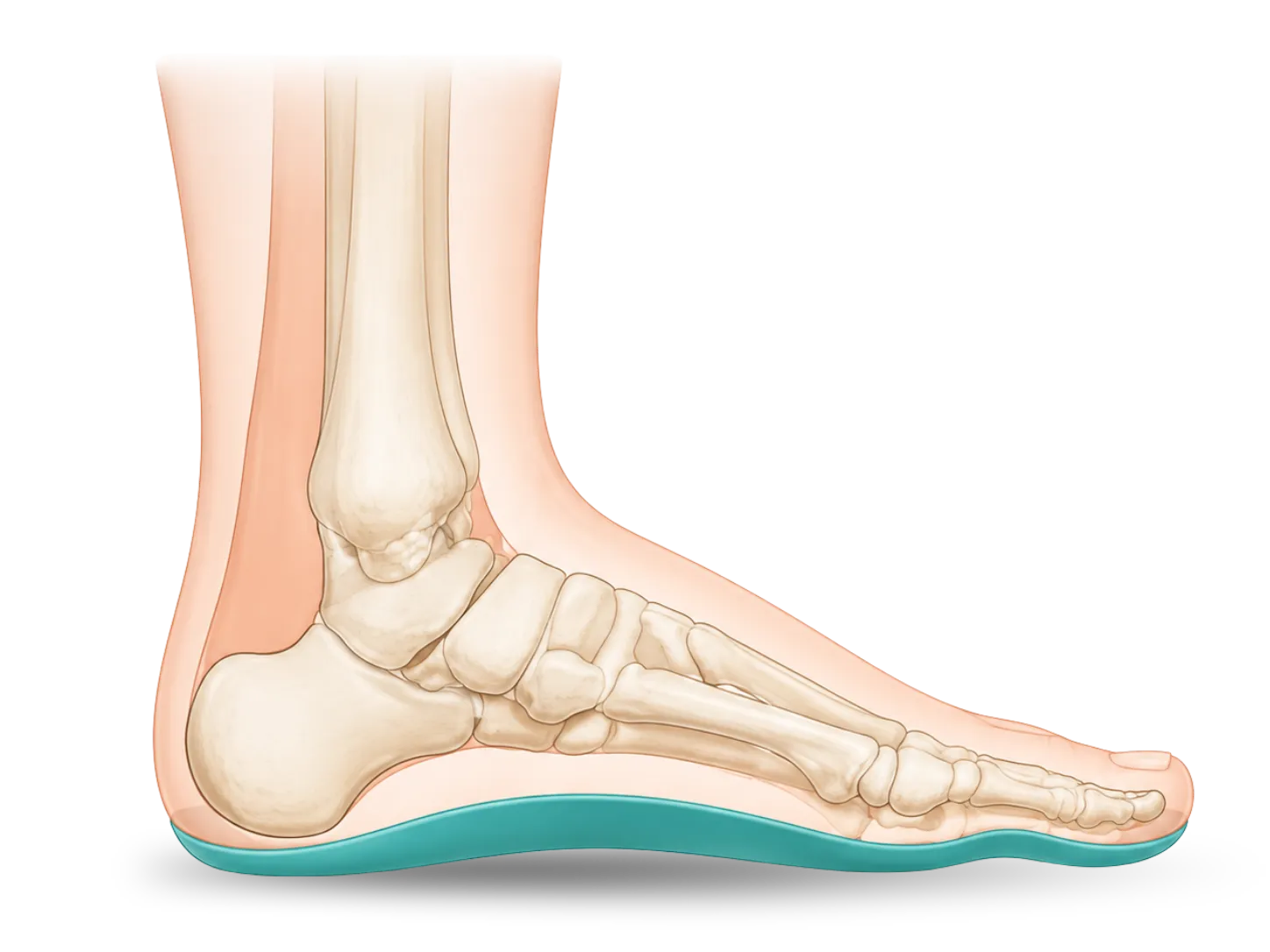
The feet are the foundation of the body’s alignment. When the arches collapse excessively, the feet tend to overpronate, which may lead to:
- Excessive inward ankle movement
- Internal rotation of the knees
- Pelvic tilt
- Compensatory changes in standing posture and walking mechanics
Over time, these compensatory changes may contribute to abnormal body alignment

and may be associated with lower back pain, hip pain, or functional scoliosis.



How Can PBS Custom Orthotic Insoles Help?
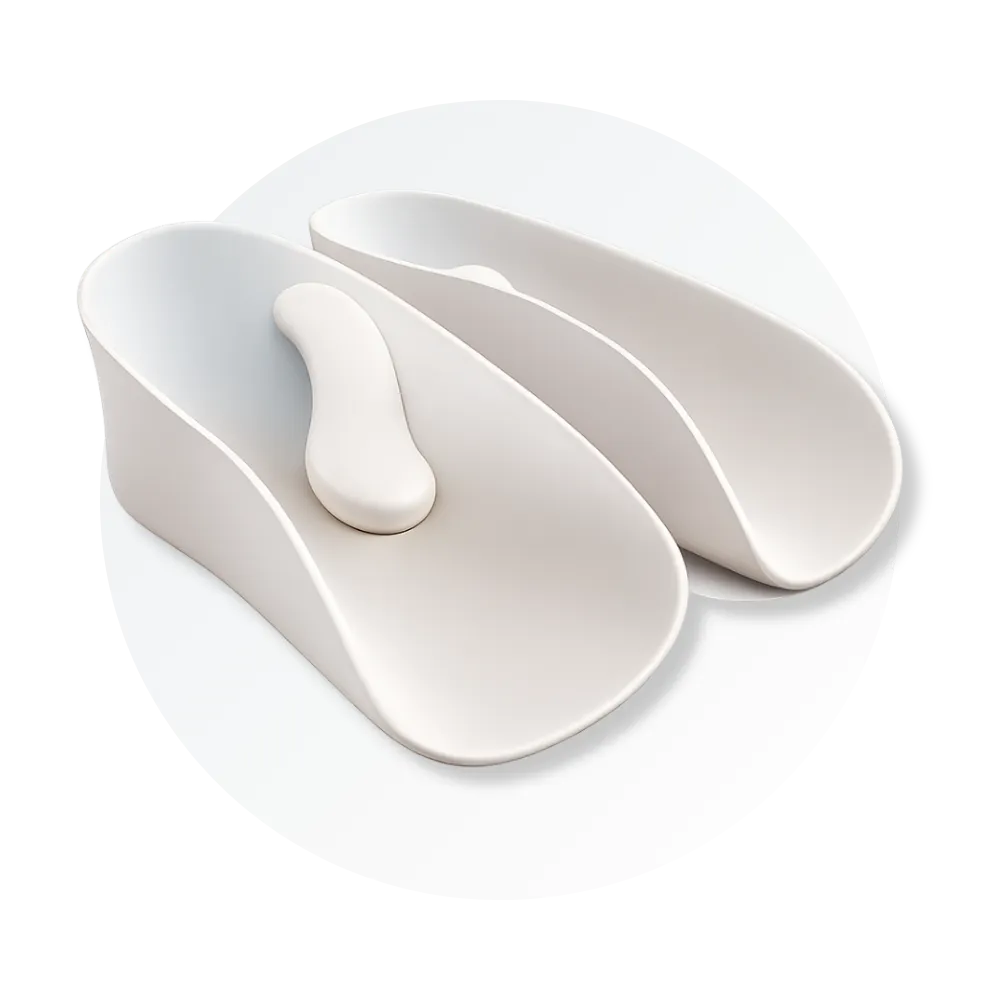
PBS Custom Orthotic Insoles are individually designed based on each patient’s foot structure. Unlike standard insoles, PBS Custom Orthotic Insoles provide enhanced heel control and arch support to help improve lower-limb alignment.
Their primary goals are to:
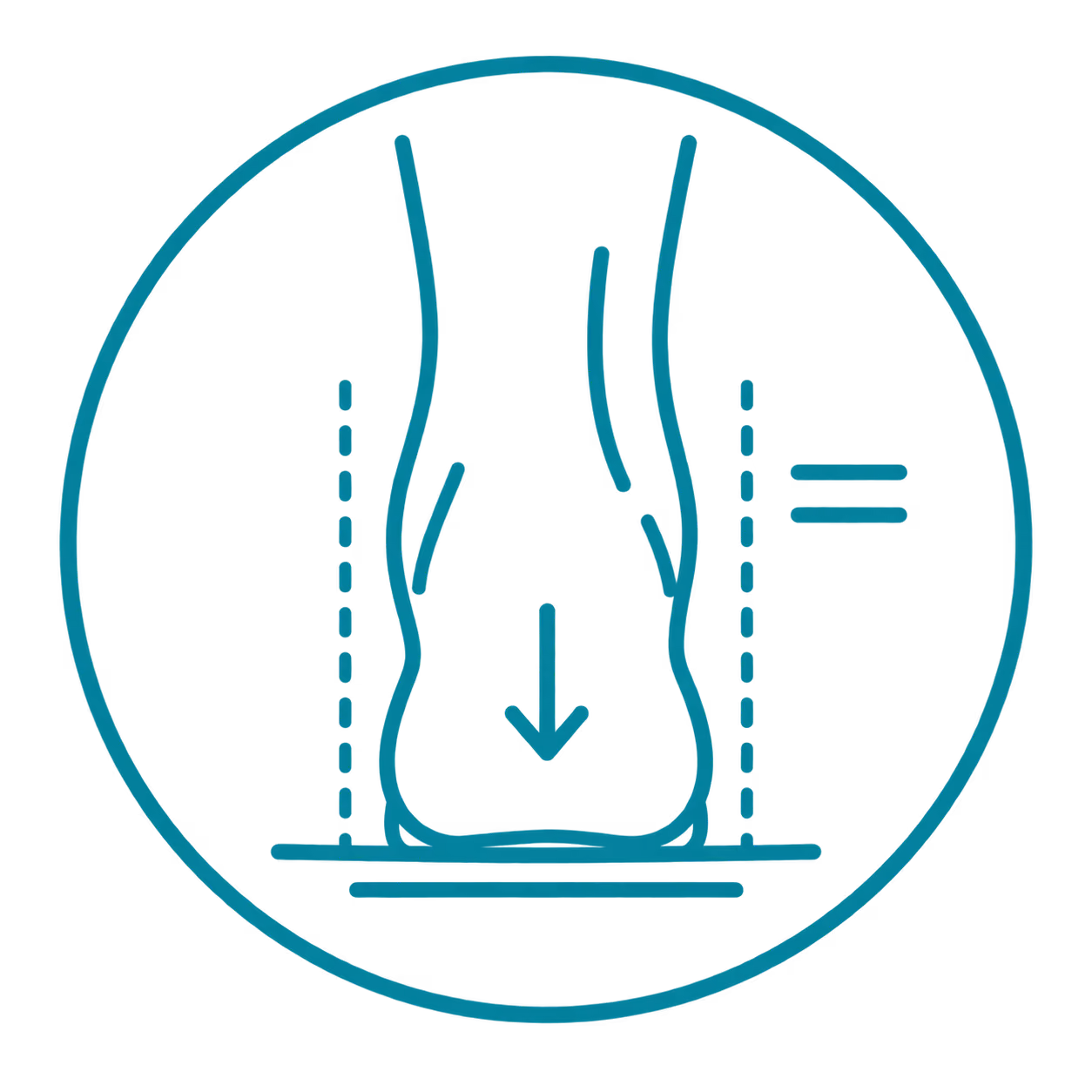
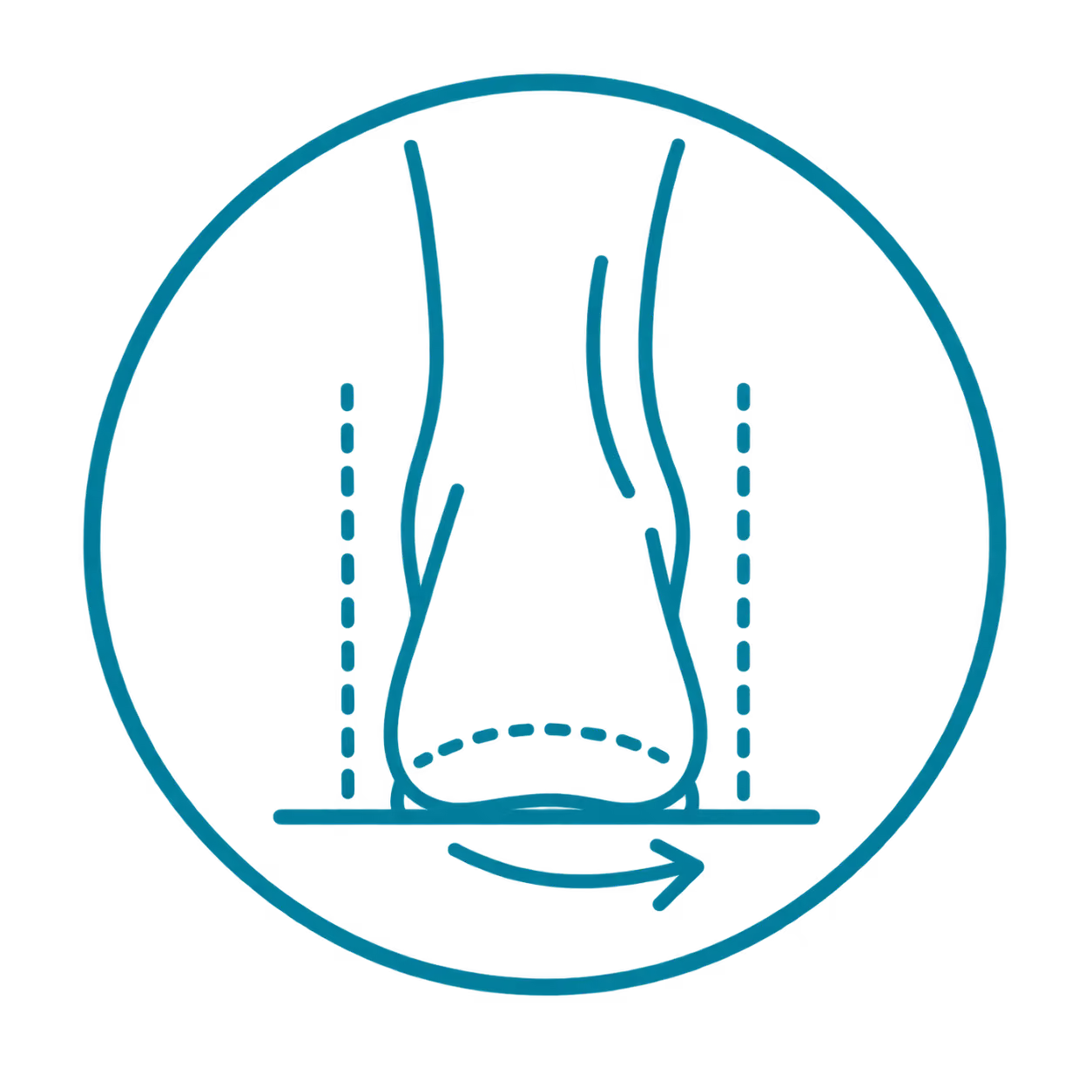
By improving foot mechanics, the alignment of the ankles, knees, and pelvis may also improve. For some patients, this may help reduce biomechanical factors associated with pelvic imbalance and functional postural asymmetry.
Can PBS Custom Orthotic Insoles Correct Scoliosis?
The answer is not necessarily.
Custom orthotic insoles cannot correct Structural Scoliosis, as this condition involves permanent structural changes to the spine.
However, many individuals with scoliosis also have flat feet or lower-limb biomechanical abnormalities. When clinically indicated, custom orthotic insoles may
help improve lower-limb alignment, reduce abnormal joint loading, relieve discomfort, and support more efficient movement.
A comprehensive evaluation by a physician or certified orthotist is essential to identify the underlying cause and determine the most appropriate management plan for each individual.
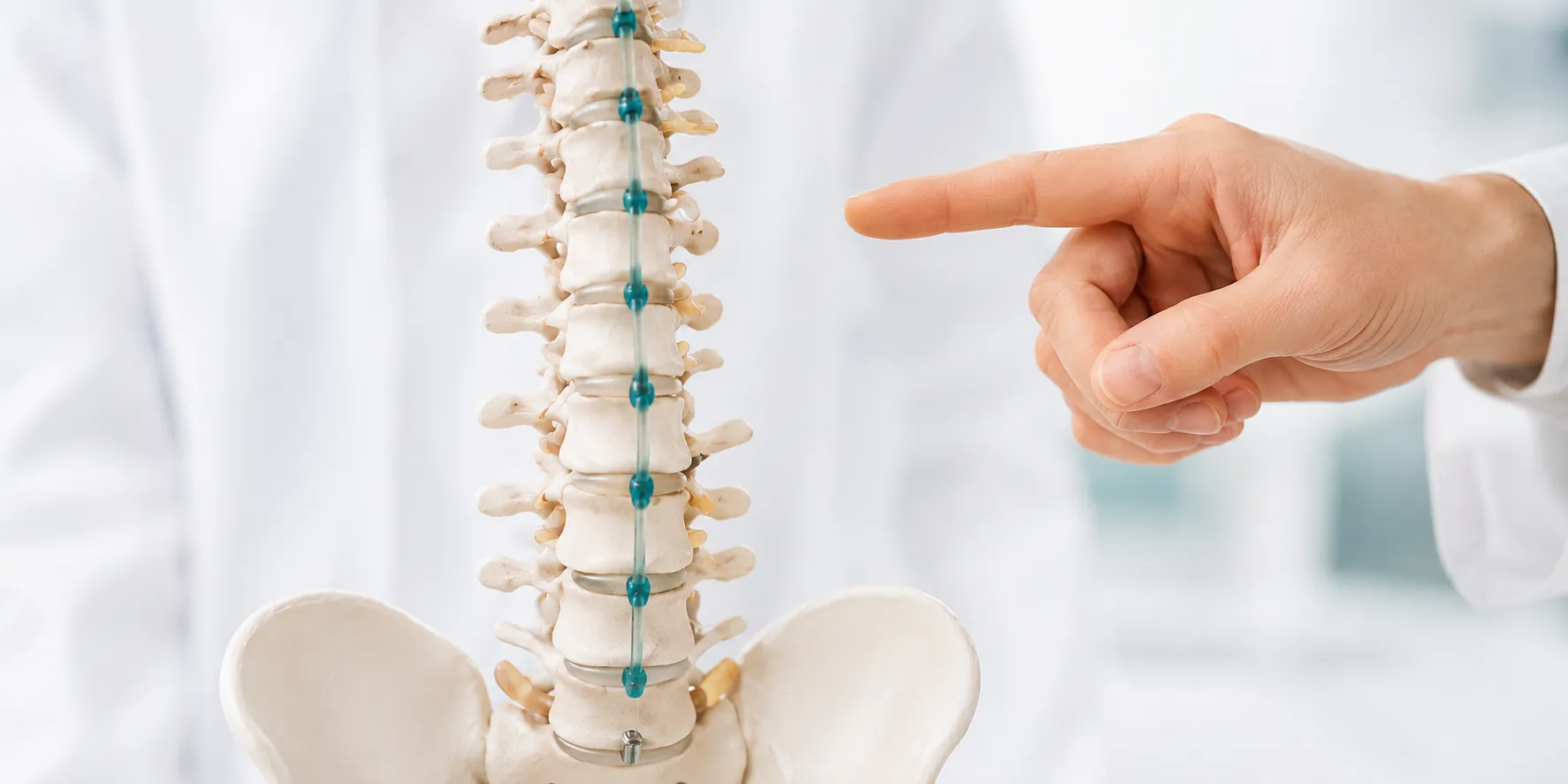



Comprehensive Scoliosis Management at PBS
At PBS, we believe that successful scoliosis management begins with understanding the body’s entire biomechanical chain. Our multidisciplinary approach focuses on identifying the underlying cause and providing personalized care based on each patient’s individual needs.
Comprehensive Biomechanical Assessment
Every patient undergoes a detailed assessment, including foot posture evaluation, heel alignment analysis, leg length discrepancy assessment, and lower-limb biomechanical evaluation.
These findings help identify factors that may influence pelvic alignment and spinal posture.
3D Posture Analysis and X-ray Evaluation
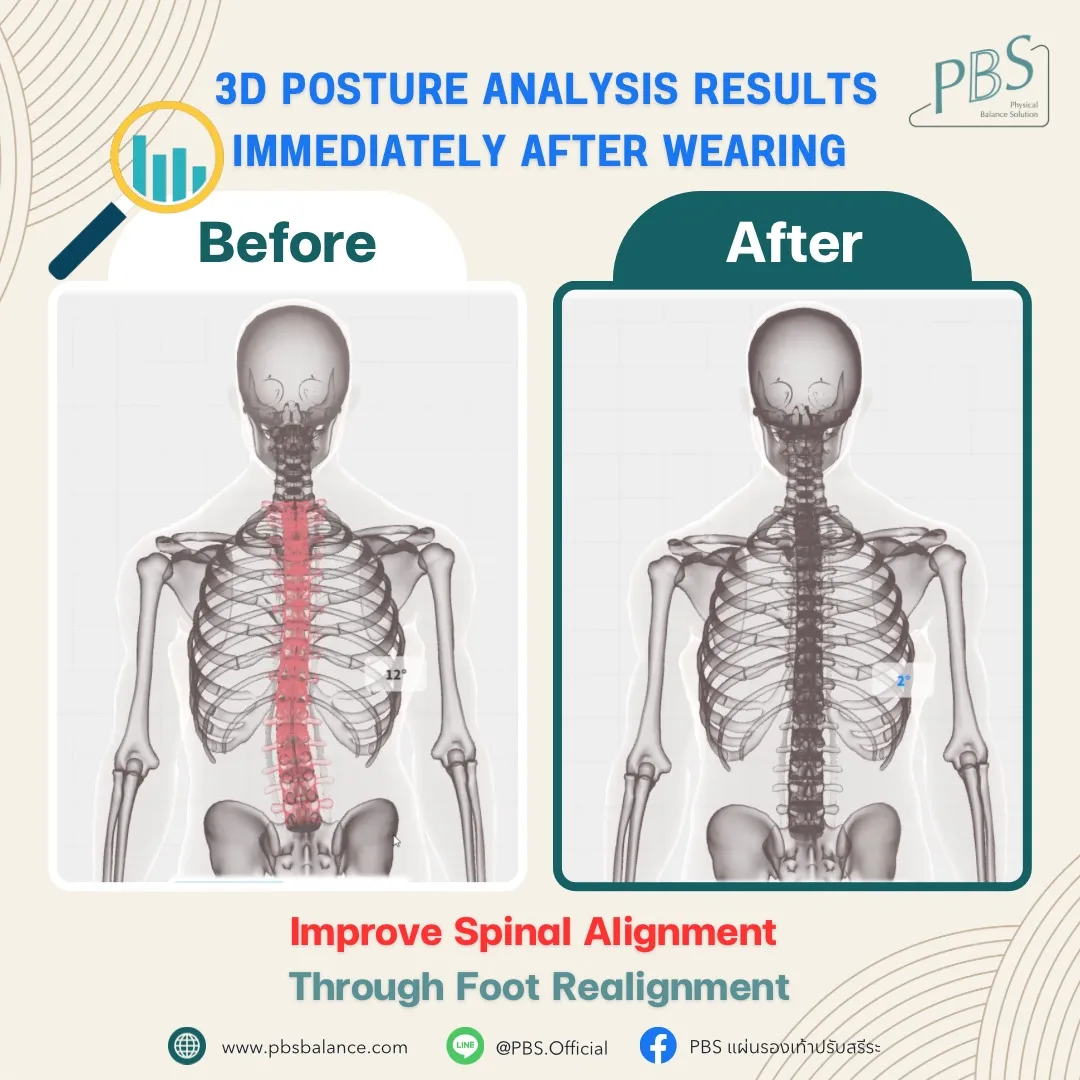
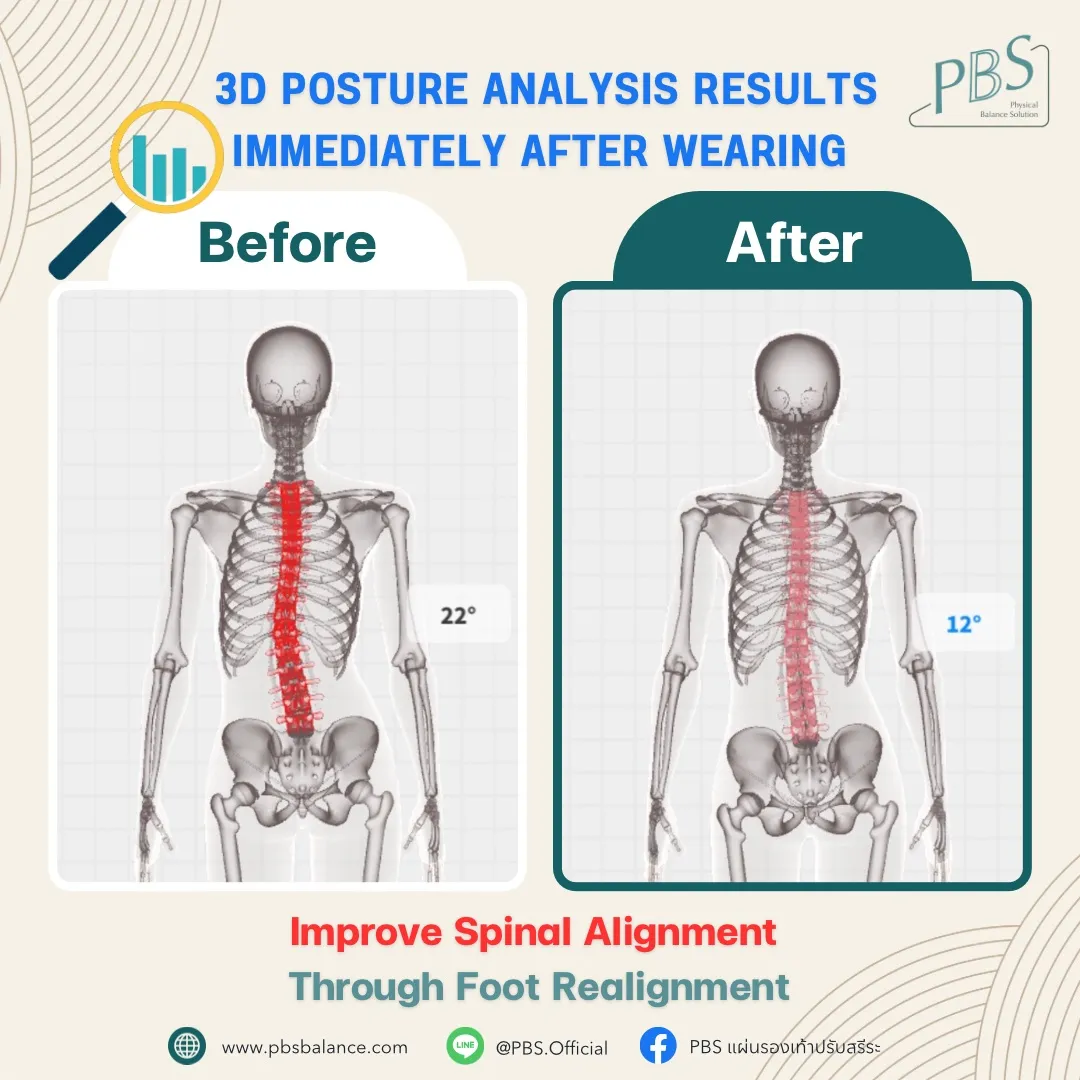
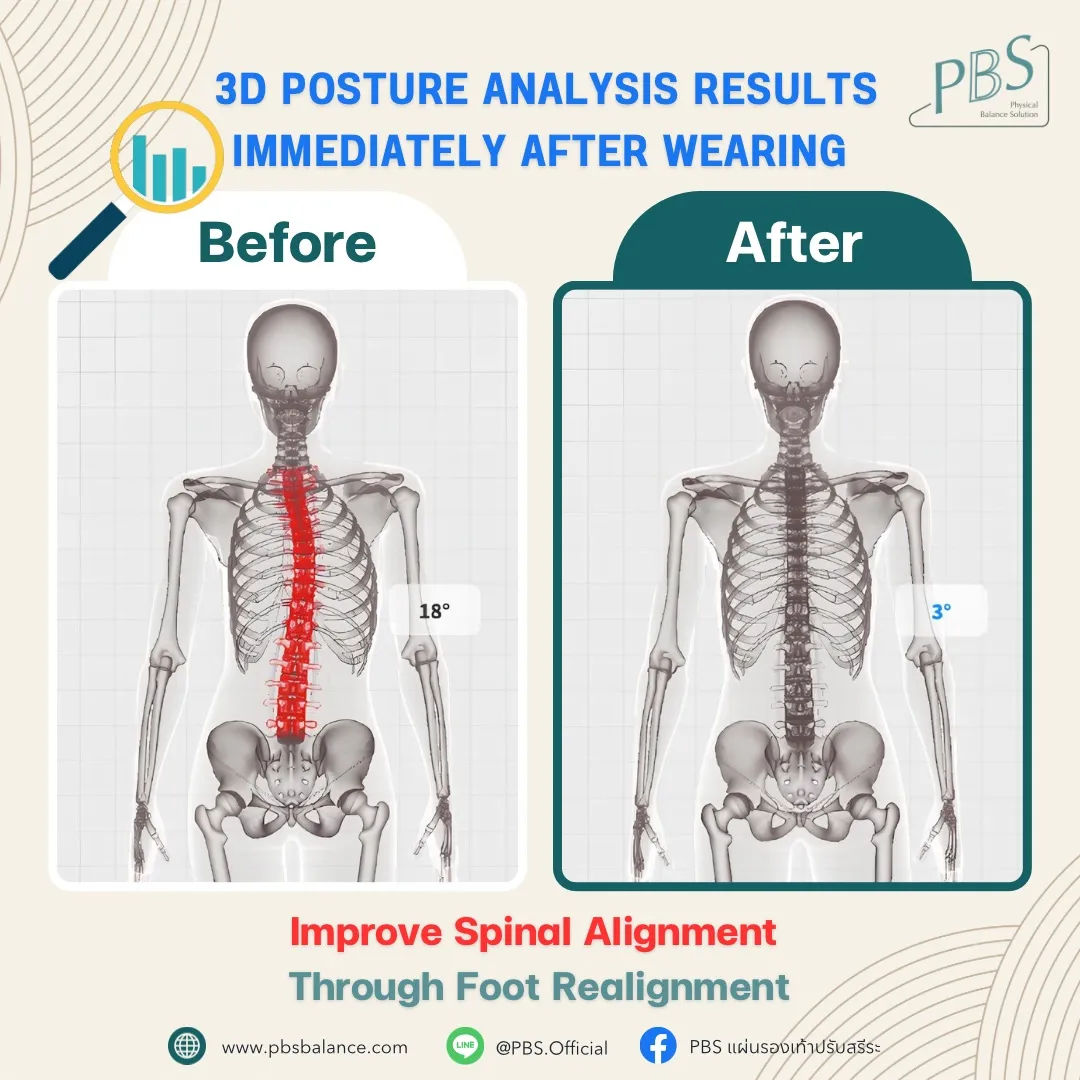
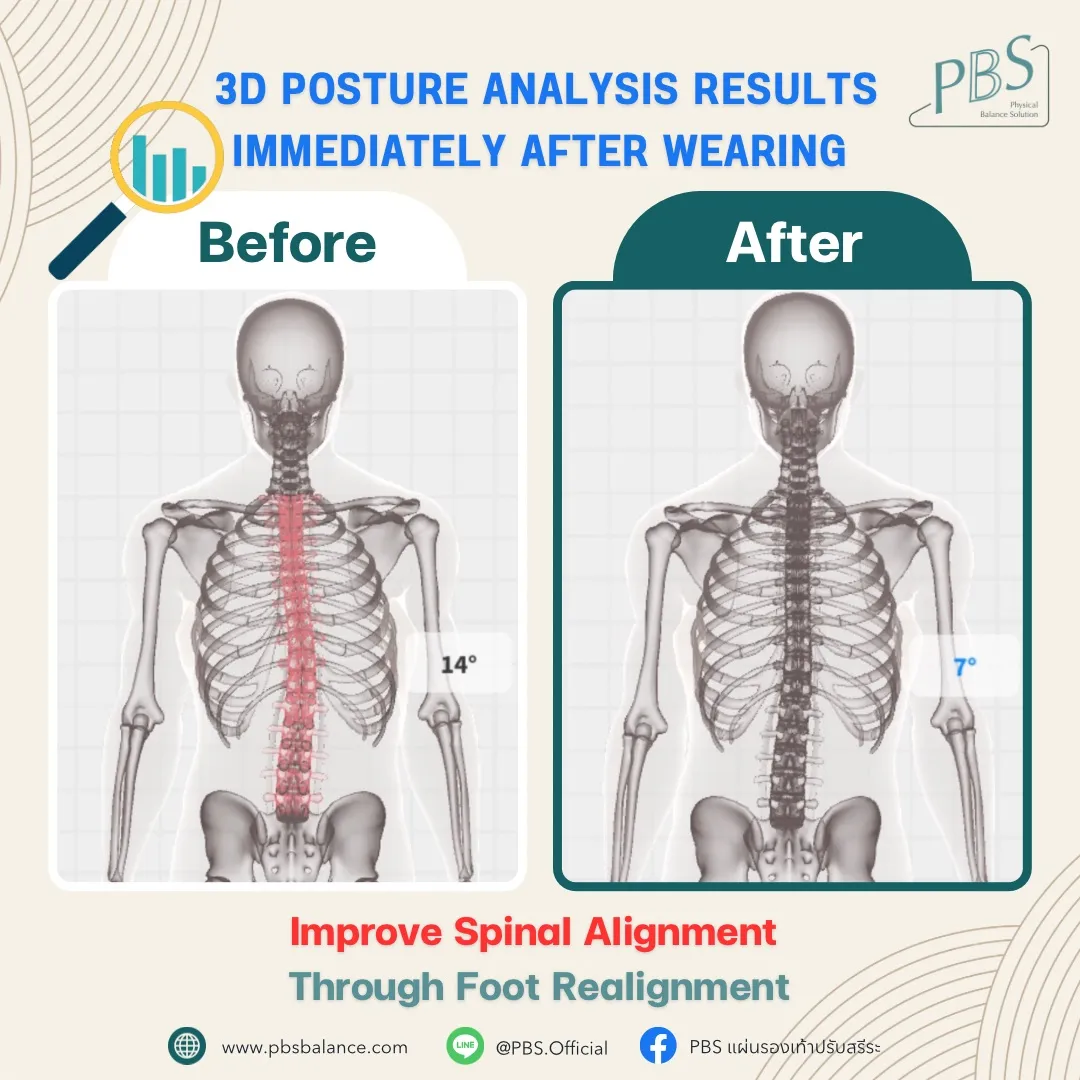
Initial screening includes our advanced 3D Posture Analysis System, which objectively evaluates whole-body alignment.
When scoliosis is suspected, spinal X-rays are recommended to accurately measure the Cobb angle, providing valuable information for diagnosis and management planning.

Multidisciplinary Care
Our patients receive individualized care from a multidisciplinary team, including physicians, certified orthotists, and physical therapists. Working together, the team develops a personalized management plan to achieve the best possible functional outcomes.
Personalized Management Options
Depending on the individual’s condition, management may include:
- Custom Orthotic Insoles to improve foot biomechanics and lower-limb alignment.
- Custom Spinal Orthosis (Scoliosis Brace) to help manage progressive spinal curvature when clinically indicated.
- Exercise Therapy and Physical Rehabilitation to improve muscle balance, flexibility, posture, and long-term spinal stability.

Ongoing Follow-up and Progress Monitoring
Progress is monitored through scheduled follow-up appointments, objective posture assessments, and before and after comparisons. Our clinical team continuously reviews each patient’s progress and adjusts the management plan when appropriate to optimize long-term outcomes.
Solving scoliosis problems

Q&A: Scoliosis
Parents may notice certain signs when looking at their child from behind while the child is standing upright. These may include uneven shoulder or hip levels, clothing that appears to hang unevenly, the trunk leaning to one side, or an asymmetrical appearance of the back. If these changes are consistently noticeable, further assessment may be appropriate.
This depends on the underlying cause and severity of the scoliosis. In some individuals, scoliosis may affect trunk balance and overall movement patterns. However, an abnormal walking pattern does not necessarily mean that it is caused by scoliosis. Other factors, such as foot alignment, leg alignment, and weight-bearing patterns, should also be considered.
Foot alignment problems or leg length discrepancy may affect pelvic alignment and standing posture. However, these factors should not automatically be considered the cause of scoliosis in every case. Assessment should distinguish between postural or compensatory trunk alignment and structural scoliosis involving changes in the spine itself.
Insoles do not directly treat scoliosis. However, if a child has a leg-length discrepancy or associated foot and ankle alignment problems, appropriately designed insoles may help improve foot support and weight distribution. Whether insoles are appropriate should be determined based on an individual assessment.
An assessment may be appropriate if you notice uneven shoulders or hips, a noticeable trunk lean, an asymmetrical appearance of the back, or changes that become more apparent as the child grows. Assessment is particularly important during periods of rapid growth so that any changes can be monitored appropriately.
What Parents Can Look for at Home
Parents can make some initial observations by asking the child to stand upright with their back facing the parent in a relaxed position
-
Check whether the shoulders are at the same level.
-
Observe whether the shoulder blades and waist appear symmetrical.
-
Check whether the hips are at the same level.
-
Look for any trunk leaning to one side.
-
Ask the child to bend forward comfortably and observe whether one side of the back or rib cage appears more prominent than the other.

