







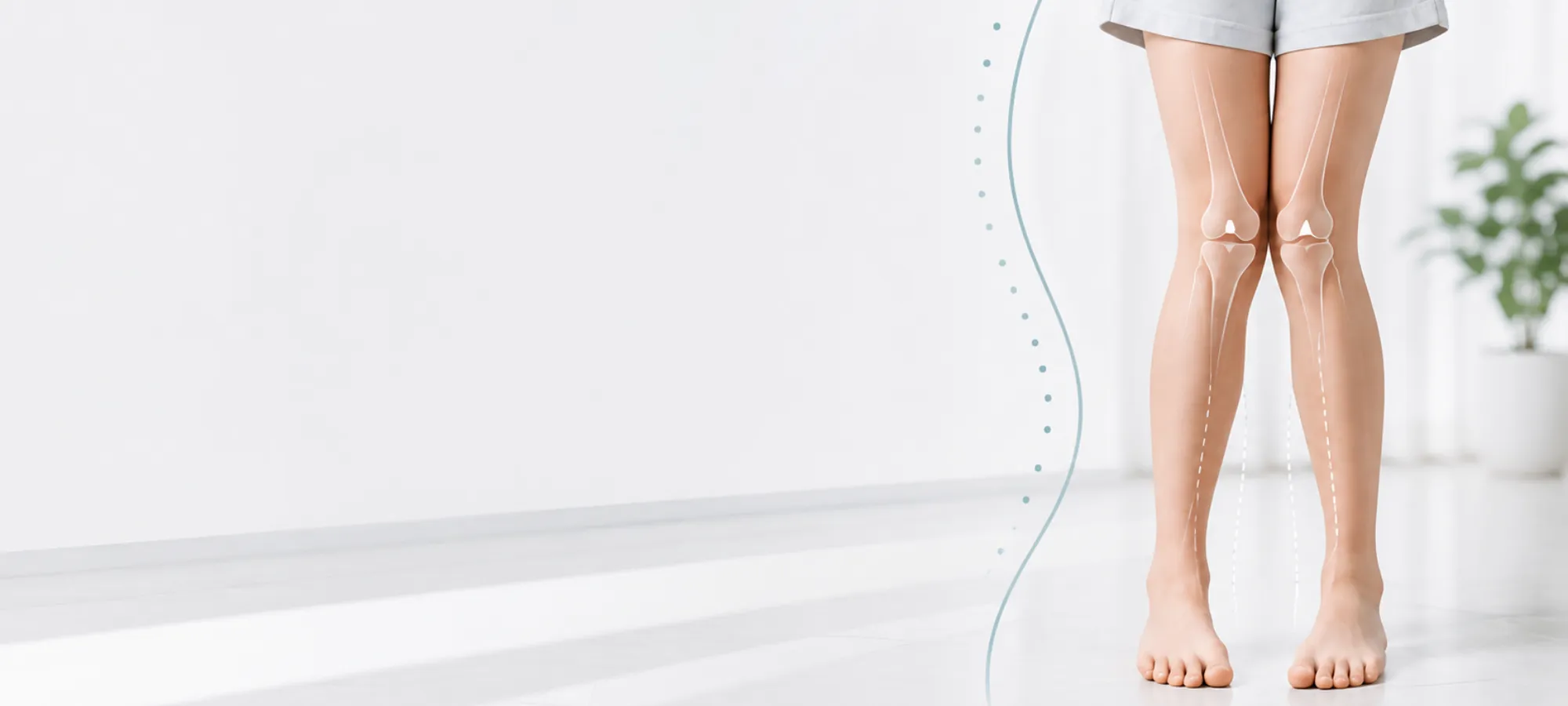
Comprehensive Knock Knee Management at PBS
At PBS, we believe that successful management of knock knees begins with identifying the underlying cause. In some individuals, knee alignment may be influenced by foot structure, ankle alignment, and overall weight-bearing mechanics. Our comprehensive approach includes detailed assessment, personalized treatment planning, and ongoing follow-up to provide care tailored to each individual’s needs.
1
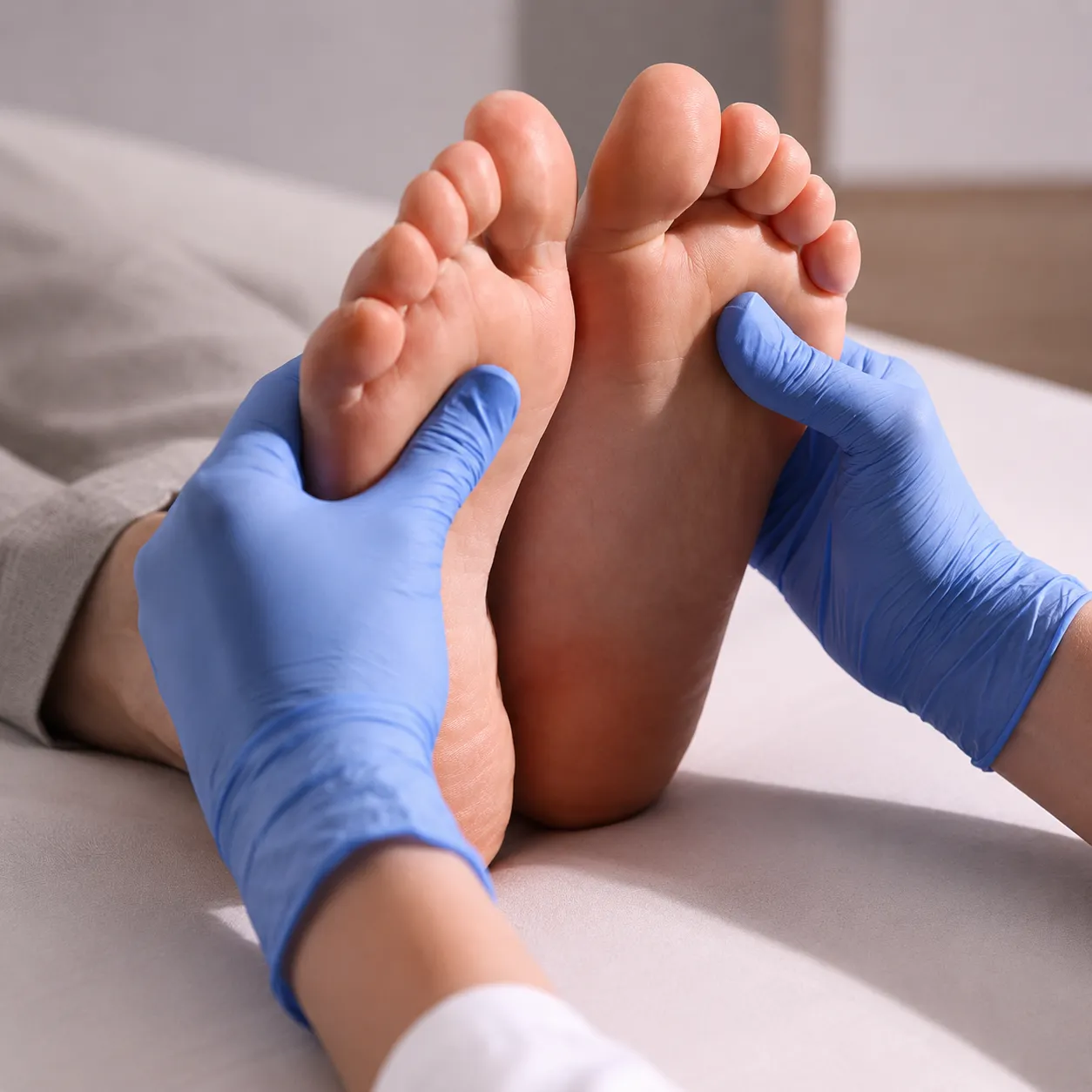
Identifying the Underlying Cause
Our clinical team performs a comprehensive biomechanical assessment, including evaluation of foot structure, weight-bearing patterns, lower-limb alignment, and pelvic balance. These findings help identify factors that may influence knee alignment and guide the development of an individualized treatment plan.
2
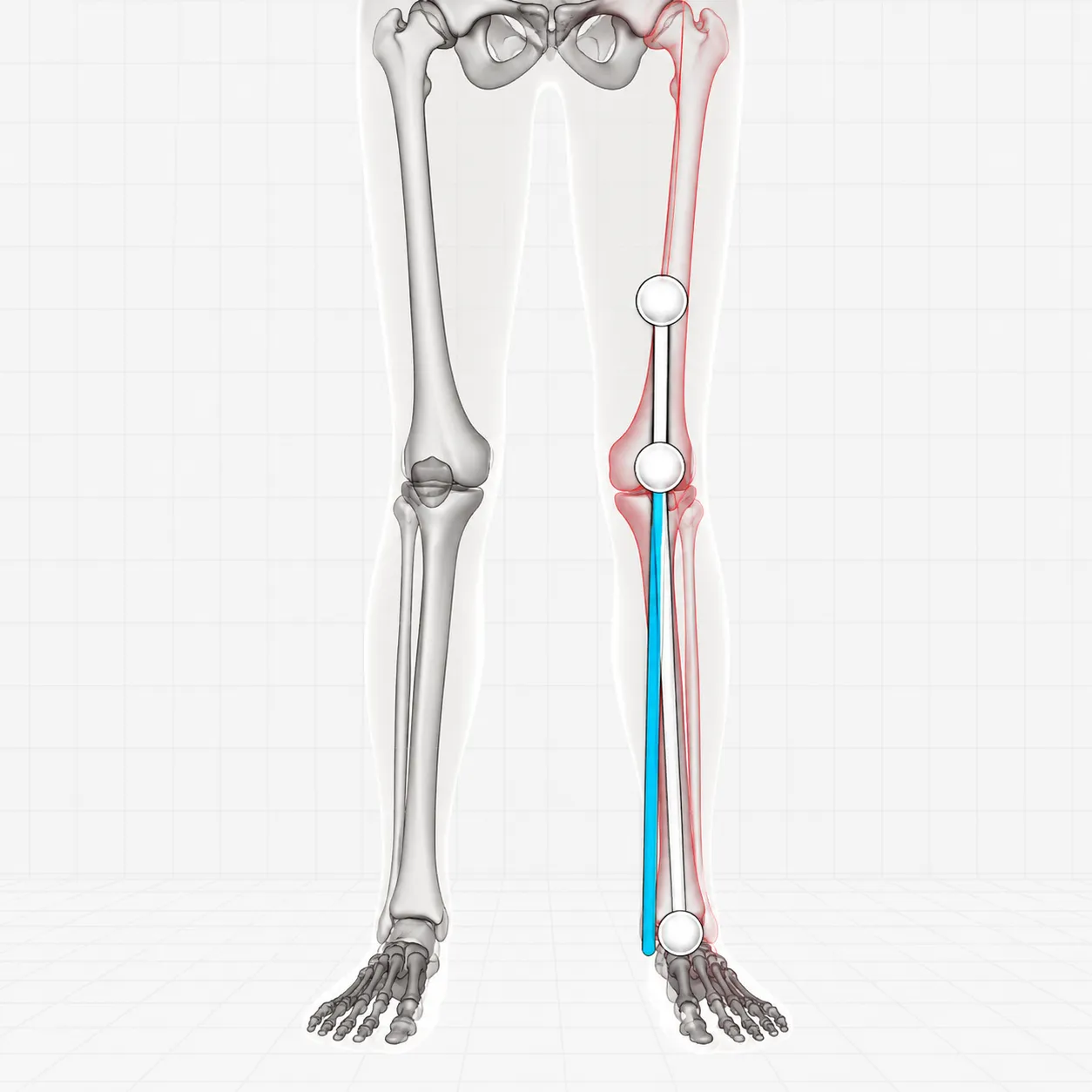
Body Alignment Assessment Using 3D Posture Analysis
Patients undergo a comprehensive evaluation using our advanced 3D Posture Analysis System, which objectively assesses body alignment from the feet and knees to the pelvis and trunk. The system provides quantitative measurements that can be used to monitor changes throughout treatment.
3
Improving Lower-Limb Alignment with PBS Custom Orthotic Insoles
When foot structure or abnormal weight-bearing mechanics contribute to knee malalignment, our certified orthotists design PBS Custom Orthotic Insoles to help improve foot biomechanics.
4


Ongoing Follow-up and Progress Monitoring
Patient progress is monitored through scheduled follow-up appointments, clinical examinations, and objective measurements obtained from our 3D Posture Analysis System. Our clinical team continuously reviews each patient’s progress and adjusts the management plan when appropriate to support long-term functional improvement.



How Are Knock Knees and Flat Feet Related?
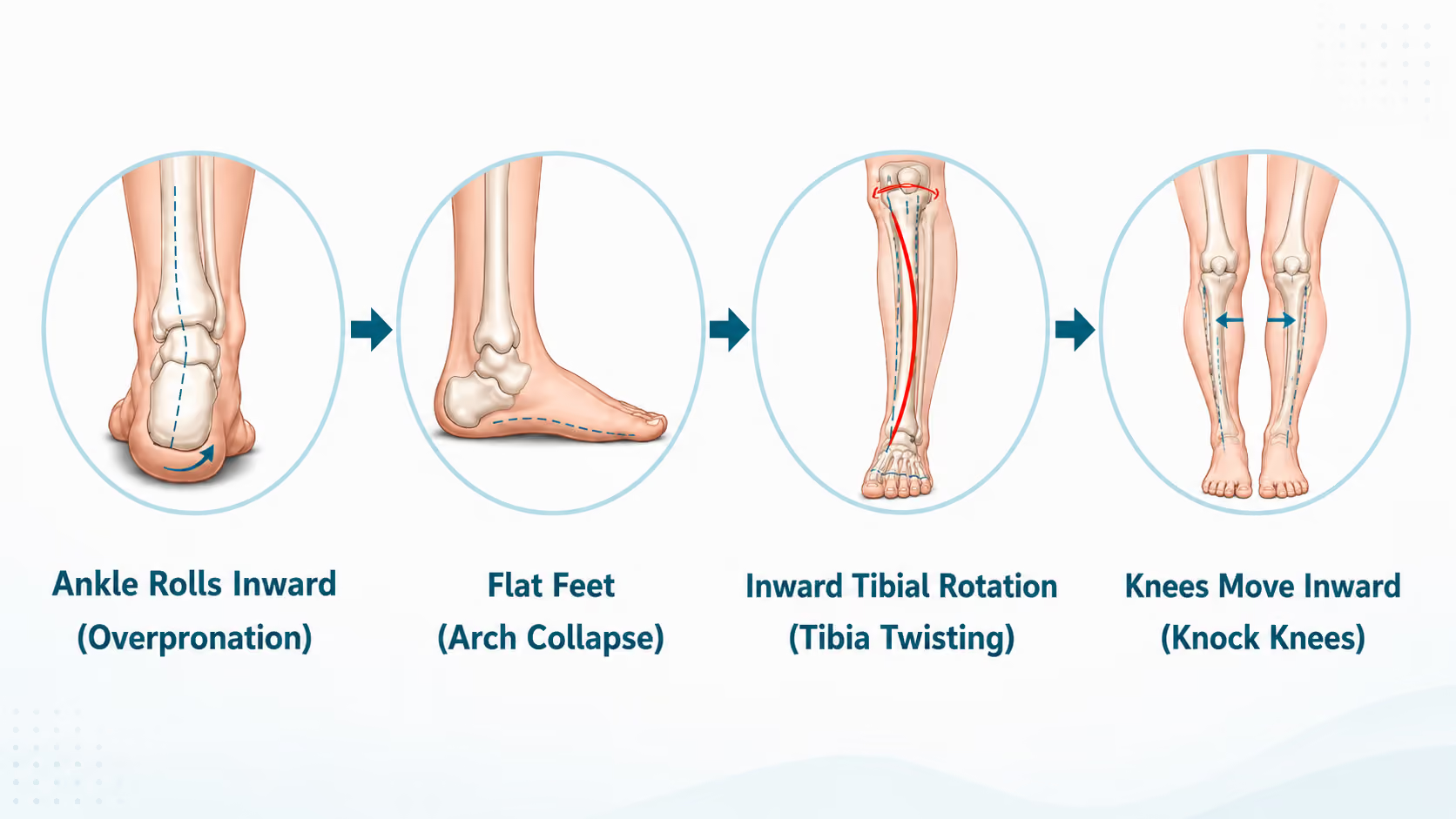
Knock knees (Genu Valgum) and flat feet are closely connected through the body’s kinetic chain. In some individuals, excessive foot pronation may alter lower-limb biomechanics and contribute to changes in knee alignment.
1
Collapse of the medial arch: In individuals with flat feet, the medial longitudinal arch collapses excessively during weight bearing.
2
Excessive foot pronation: The collapse of the arch causes the foot and ankle to roll inward (overpronation).
3
Internal rotation of the tibia: Excessive pronation may lead to internal rotation of the tibia (shin bone).
4
Changes in knee alignment: As the tibia rotates inward, the knees may gradually move toward each other, contributing to the development of knock knees.



Knee Valgus (Knock Knees) and Out-toeing Correction

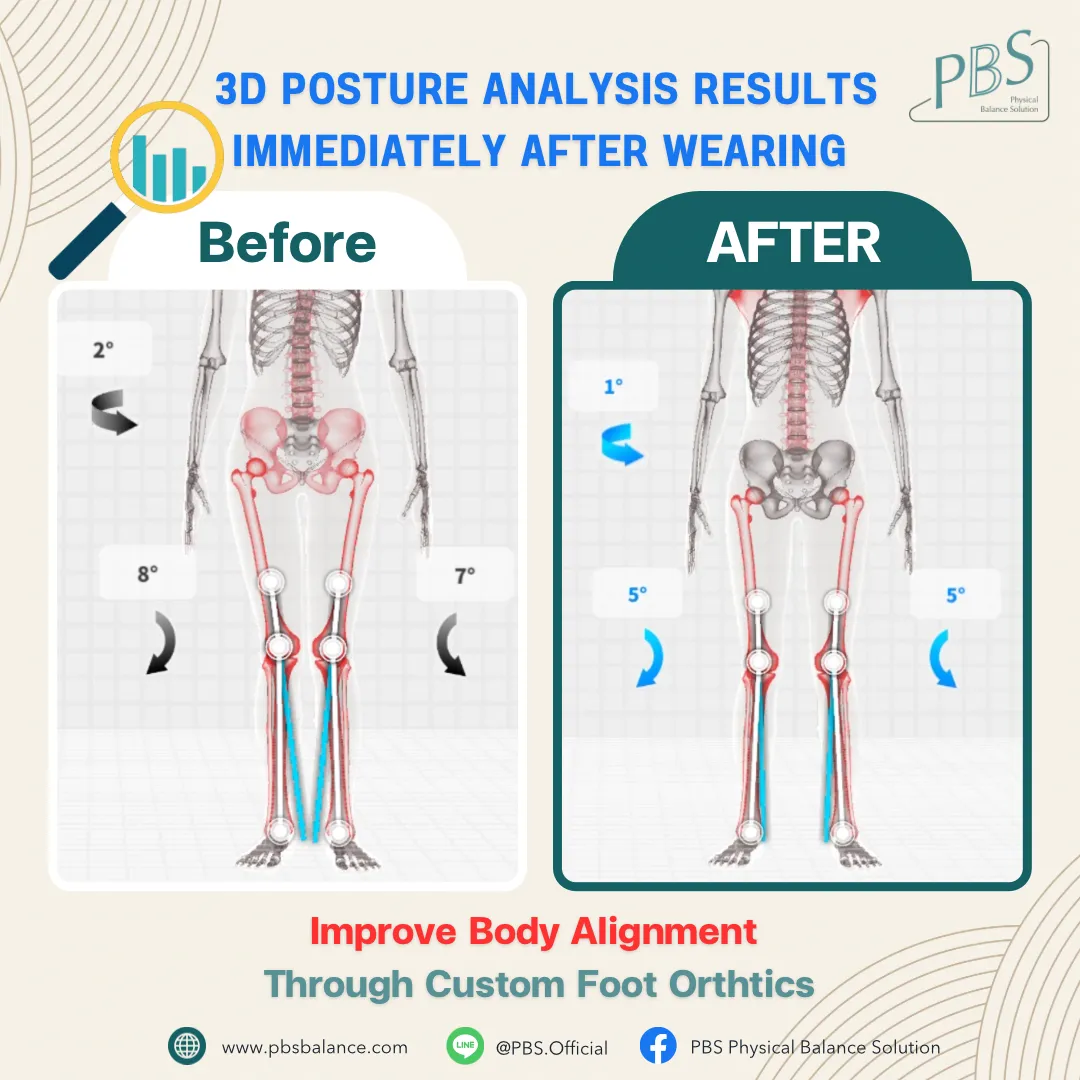
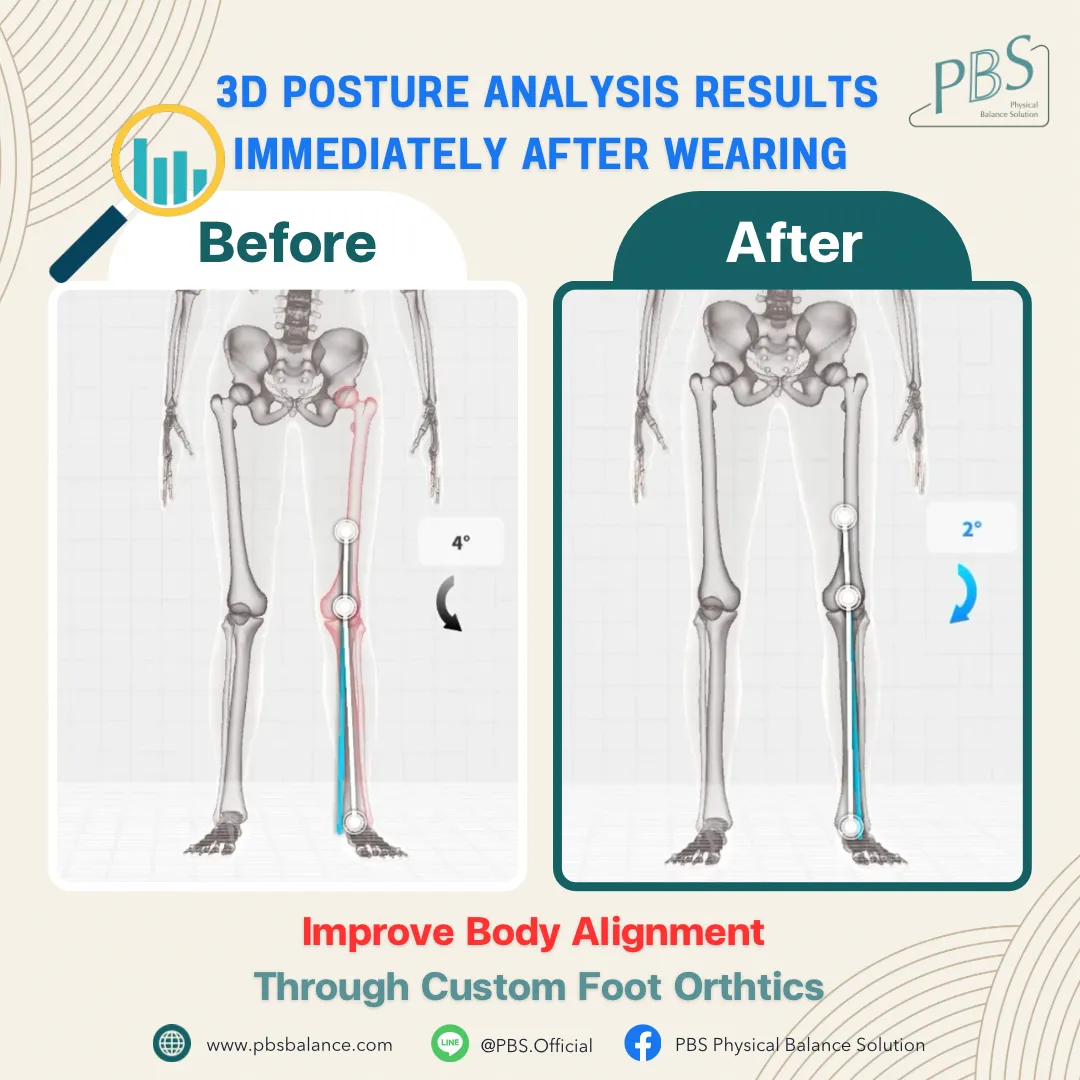
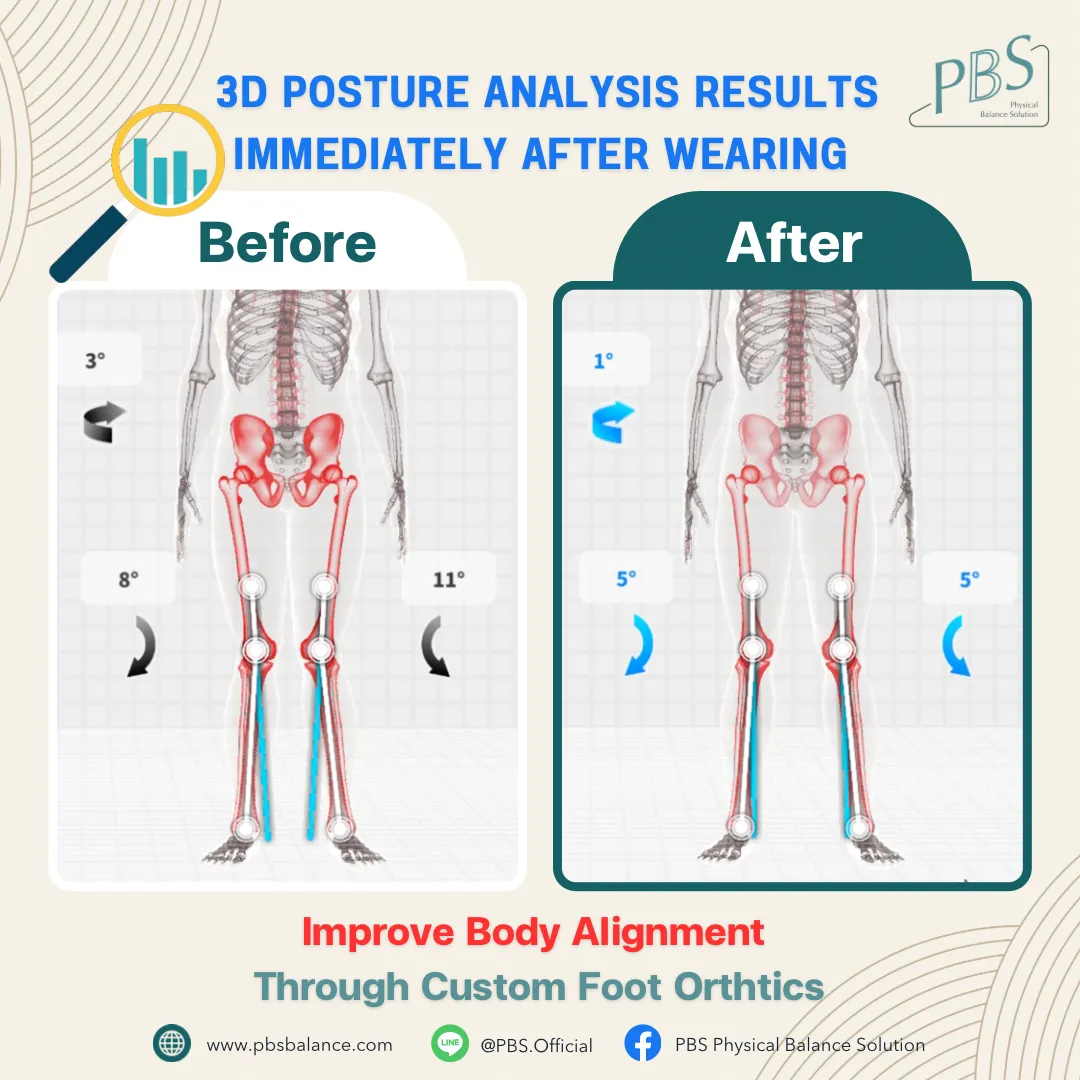
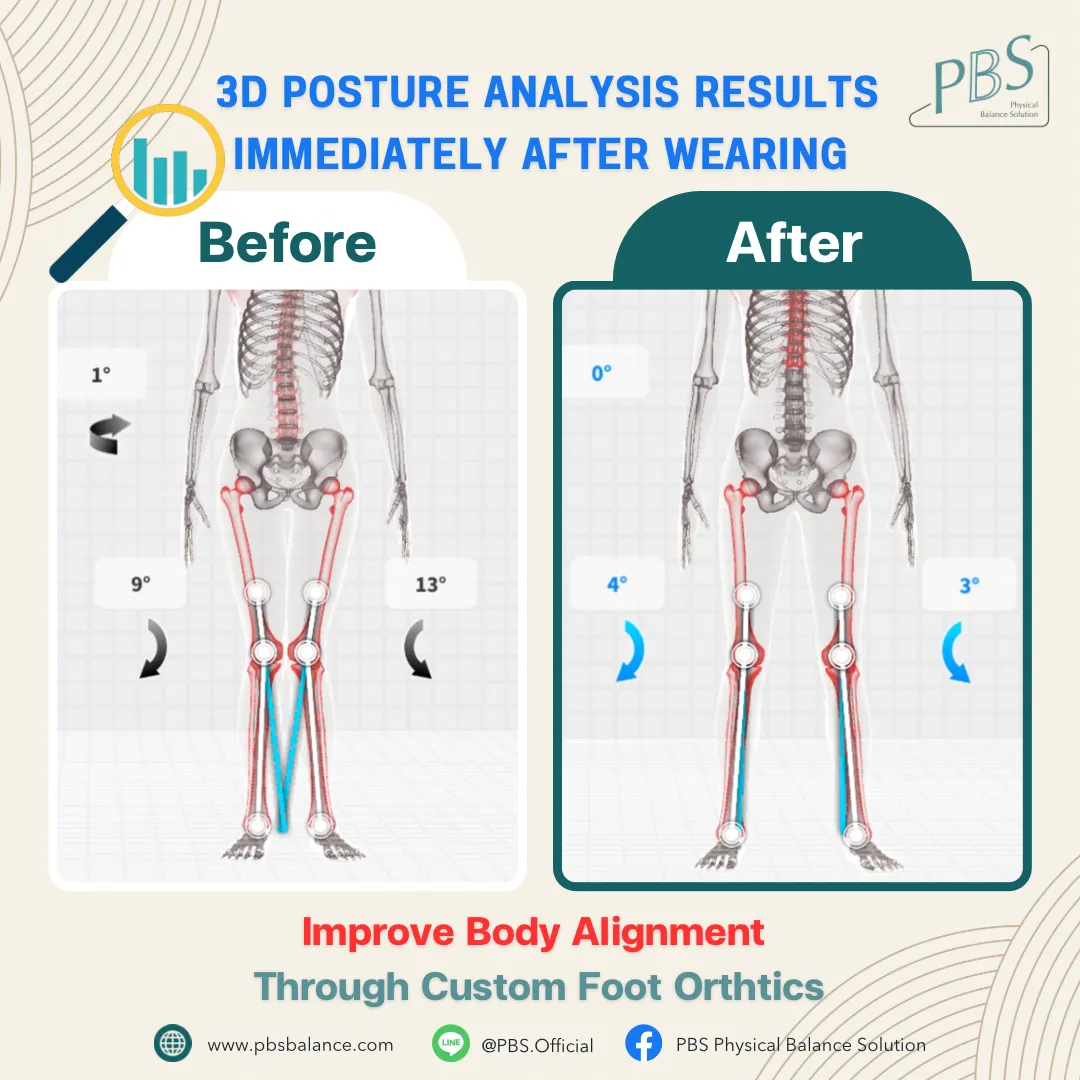
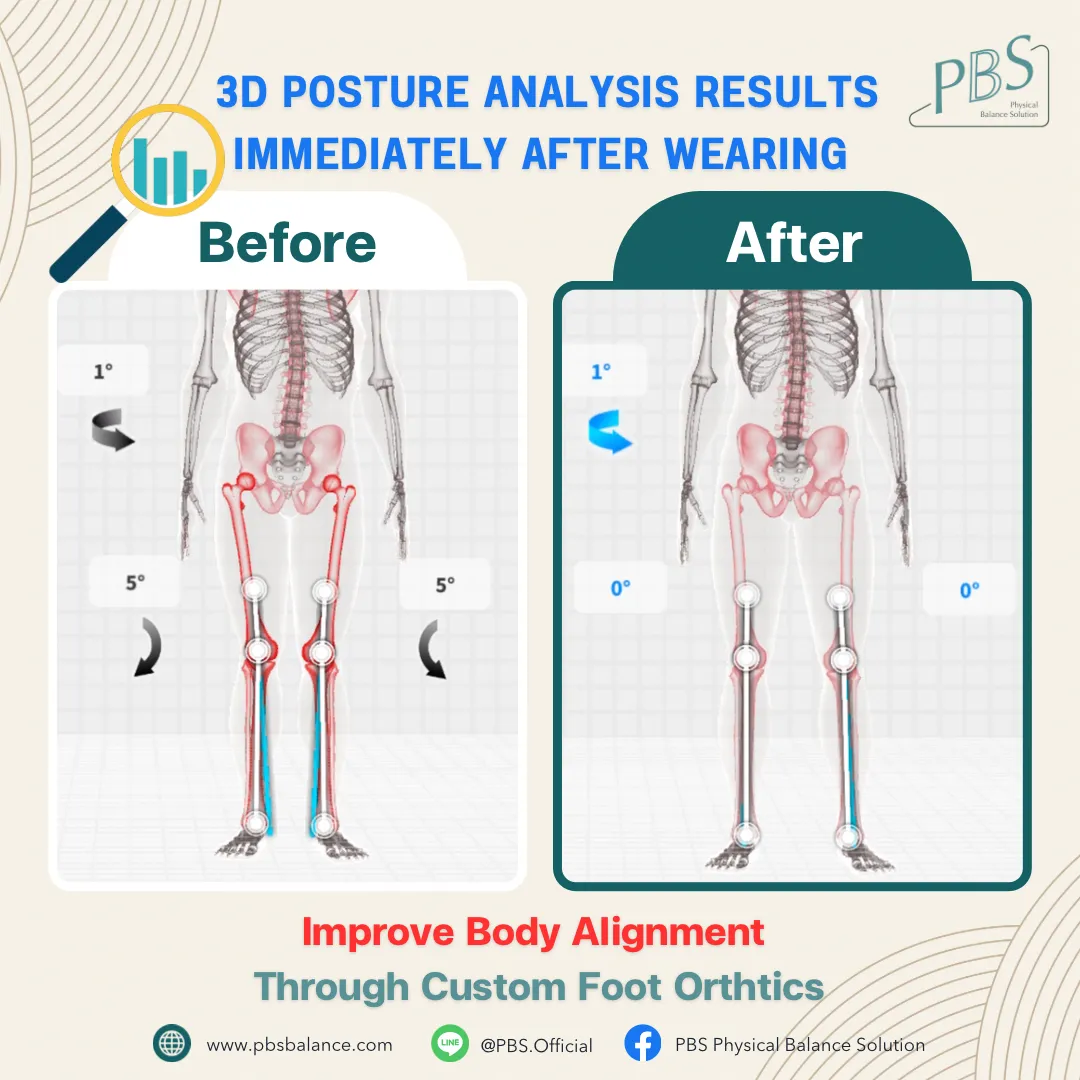

Every Case Is Different
Knock knees can result from a variety of factors, including skeletal development, growth-related changes, lower-limb alignment, or foot deformities such as flat feet. A comprehensive assessment is therefore essential to identify the underlying cause and determine the most appropriate management plan based on each individual’s needs.
Q&A: Knock Knees
Not necessarily. A child’s leg alignment can naturally change with age and development. However, if the knees appear excessively close together, the condition affects only one side, is associated with pain, causes difficulty with walking or running, or does not change as expected with age, further assessment may be appropriate to evaluate overall leg alignment and movement.
In some individuals, foot and ankle alignment problems, such as flat feet or excessive ankle collapse, may be associated with lower-limb alignment and weight-bearing patterns. However, these factors cannot be considered the cause of knock knees in every child. A comprehensive assessment should therefore consider the feet, ankles, leg alignment, and gait together.
When there is a significant lower-limb alignment problem, it may affect walking, running, and the way forces are distributed through the legs, particularly when foot or ankle problems are also present. Some children may experience frequent falls, fatigue more easily during activities, or develop pain after physical activity.
This depends on the underlying cause. Insoles do not directly correct the alignment of the knee bones. However, in children who have associated foot or ankle alignment problems, an appropriately designed orthotic device may help improve foot support and weight distribution. Whether insoles are appropriate should therefore be determined based on an individual assessment of the feet, lower-limb alignment, and gait.
Consider having the child assessed if the knock knees appear to be becoming more pronounced, there is a noticeable difference between the two sides, the child experiences pain, has difficulty walking or running, falls frequently, or has difficulty participating in daily activities. Assessment may also be appropriate if the child’s leg alignment appears noticeably different from that of other children of the same age.
What Parents Can Look for at Home
Parents can make some initial observations by asking the child to stand naturally and looking at the legs from the front.
-
Check whether the knees come close together while the ankles remain noticeably apart.
-
Look for differences or asymmetry between the two legs.
-
Observe the child while walking and running for signs such as the legs moving close together, frequent falls, or unusual movement patterns.
-
Pay attention to pain in the knees, legs, or feet, or unusual fatigue after physical activity.

