







Table of Contents
Sudden ankle pain can be confusing, especially when there has been no obvious injury or accident. Sometimes the pain is mild and temporary, while in other cases it may signal an underlying condition that needs further assessment.
The location of the pain alone does not tell us what is causing it. Ankle pain can arise from muscles, tendons, ligaments, joints, bones, or the surrounding soft tissues. Understanding the underlying cause is therefore the first step toward choosing the right treatment.
What Can Cause Sudden Ankle Pain?
Ankle pain may develop after increased walking, running, prolonged standing, or other activities that place repeated stress on the foot and ankle. Footwear and individual foot mechanics may also influence how load is distributed during movement.
For people with foot deformities like symptomatic flatfoot, changes in the medial arch, hindfoot position, and forefoot alignment can alter the way forces are transmitted through the foot and lower limb.
However, not every episode of ankle pain is mechanical. Other possible causes include osteoarthritis, tendon disorders, gout, inflammatory conditions, or infection, each of which requires a different approach to diagnosis and treatment.
When Should You Take Ankle Pain Seriously?
It is easy to overlook ankle pain when there is no swelling or visible injury. However, persistent or unexplained pain should not simply be ignored—particularly when it becomes progressively worse or starts interfering with walking and daily activities.
A professional assessment can help determine whether the symptoms are related to foot mechanics or whether another medical condition should be investigated.
Assessment may include examination of the foot and ankle, range of motion, muscle and tendon function, joint stability, foot posture, weight distribution, and gait. Further investigations or referral may be appropriate when the clinical findings suggest an underlying joint, inflammatory, infectious, or structural condition.

When Could Foot Orthoses Help?
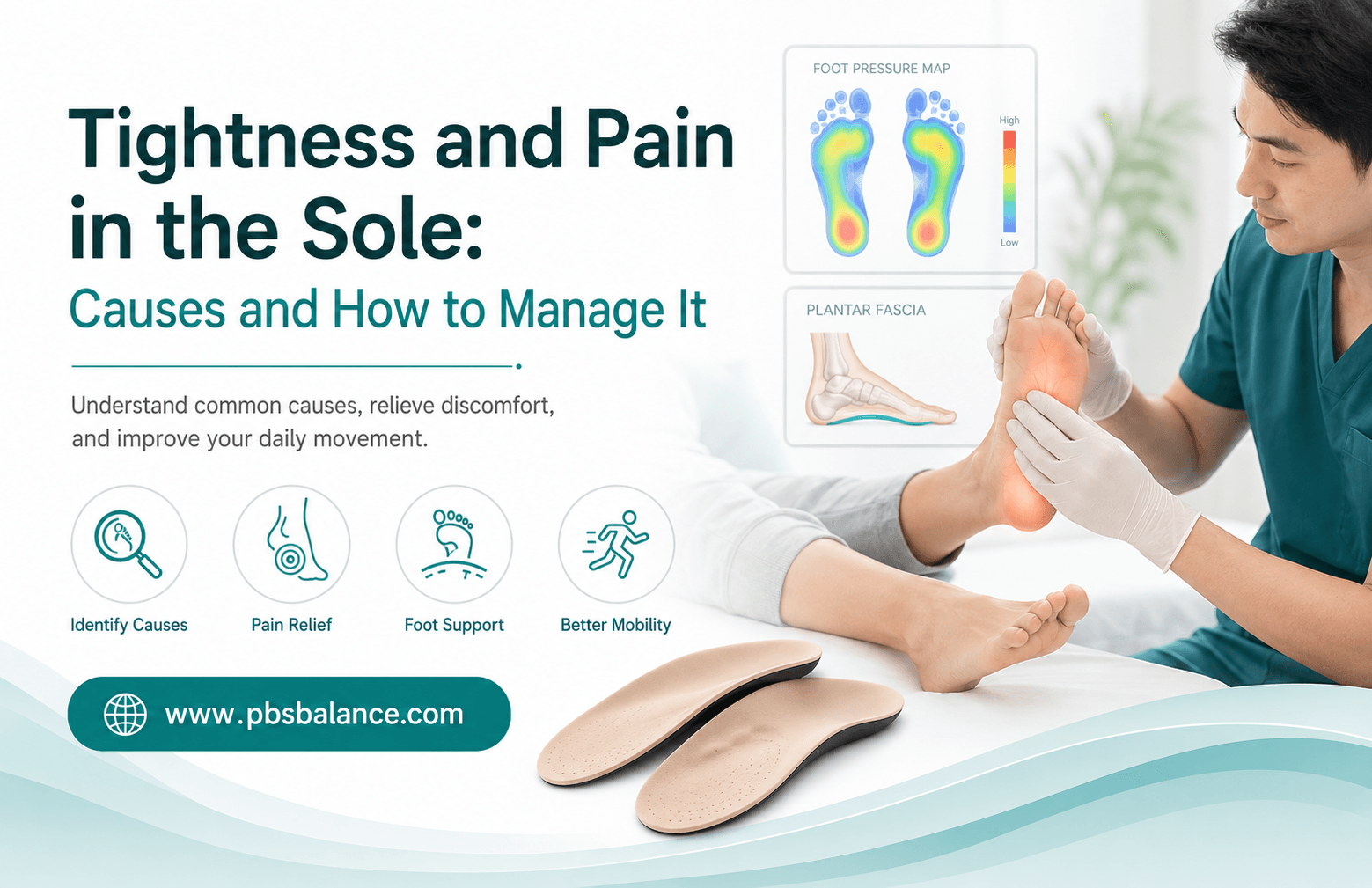
If assessment identifies symptomatic flatfoot or a foot-related loading problem, foot orthoses may be considered as part of conservative treatment.
Orthoses can provide support beneath the foot and modify the distribution of plantar pressure and other mechanical forces during standing and walking, as foot orthoses can influence foot and ankle biomechanics in people with flatfoot.
Importantly, custom-made does not automatically mean better for every patient. The appropriate design should be selected according to the individual’s foot structure, symptoms, movement pattern, footwear, and functional needs.
The PBS Approach
At PBS Orthotics Clinic, we believe that treating ankle pain starts with understanding why it is happening.
Our orthotists assess the foot and lower-limb alignment, weight distribution, foot posture, movement patterns, and functional needs to determine whether the ankle symptoms may be related to the mechanics of the foot.
When appropriate, custom-made foot orthoses can be designed to provide targeted support and help optimize the way the foot manages load during everyday movement. The aim is not simply to “hold the ankle in place,” but to address the mechanical factors that may be contributing to symptoms.
For patients whose ankle pain has another underlying cause, appropriate medical assessment and treatment should take priority.
Don’t Treat the Pain Without Finding the Cause
Ankle pain is a symptom—not a diagnosis.
If you experience persistent or unexplained ankle pain, recurrent episodes, difficulty bearing weight, significant swelling, redness or warmth, fever, numbness, or rapidly worsening symptoms, professional medical assessment is recommended.
If you continue to experience persistent foot pain despite trying all natural treatment methods, consult a specialist promptly. At PBS, our team of foot care specialists provides services including custom orthotic insoles for plantar fasciitis and corrective devices for foot alignment. These solutions are personalized to treat the root cause and deliver the best possible outcomes.
Facebook: PBSofficial.TH
Line Official: @pbs.official
Source: